Lavender Logo, Simple Elegant Design Review for Real Projects
As an experienced designer and embroidery product reviewer, I’ve seen countless logo designs come and go. Some are bold and flashy, others feel generic or overcomplicated. When I first saw the Lavender Logo, Simple Elegant Design, it stood out in a subtle but powerful way. This design doesn’t shout; it whispers with style and sophistication. It’s the kind of logo that feels at home on both handmade gifts and boutique branding materials — which makes it incredibly versatile for real-world embroidery projects.
First Impressions: A Quiet Statement
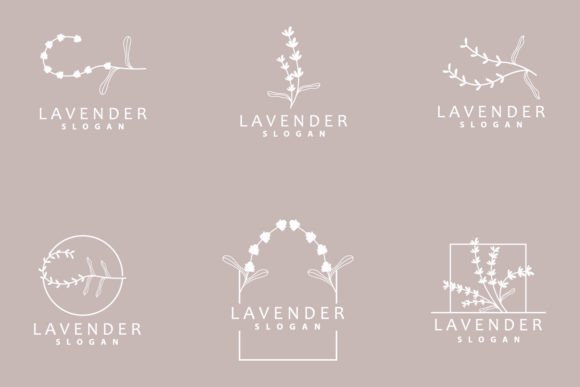
The lavender plant is rendered in a hand-drawn style, soft yet structured. The lines are clean, the curves gentle, and the overall composition has a calm, refined presence. It lacks intricate details that could get lost in stitching, which is a big plus when considering how it will translate to fabric. The shape is balanced and symmetrical enough to convey professionalism, yet its organic flow gives it a personal, artisanal touch.
This design naturally fits into themes like weddings, botanicals, wellness, and minimalist aesthetics. As an icon symbol, it’s elegant enough to be used on greeting cards, banners, and embroidered patches without feeling too busy or too plain. The mood it creates is peaceful and upscale — perfect for small businesses targeting niche markets such as eco-friendly products, bridal accessories, or lifestyle brands focused on simplicity and nature.
Where It Belongs
- Custom Apparel: The lavender motif works beautifully on sweatshirts, t-shirts, and tote bags. Its simplicity ensures it won’t overwhelm the garment, especially when placed subtly near the chest or back.
- Baby & Nursery Items: With its gentle color palette and non-threatening imagery, this design is ideal for baby clothes, pillow covers, or decorative nursery accents.
- Personalized Gifts: From holiday gift tags to embroidered aprons, the lavender logo adds a touch of class without being too loud.
- Commercial Use: Small shop owners and Etsy sellers can confidently use this design on branded merchandise, including tea towels, aprons, and promotional caps.
Performance in Real Embroidery Projects
I recently tested the Lavender Logo, Simple Elegant Design on a custom embroidered tote bag for a client who runs a plant-based skincare line. The result was impressive — the lavender sprig stitched cleanly, with no distortion or misalignment. The satin stitch outlining the leaves and flowers created a smooth, polished finish, while the fill stitch inside the petals gave just enough texture to make the design pop.
What I appreciated most was how well it scaled. Since it's labeled as "resizable," I tried adjusting it from a 4-inch banner down to a 2-inch patch. Even at the smaller size, the details remained clear, and the proportions stayed true. That flexibility is crucial for crafters and digital product sellers who may need the same design across different formats and applications.
For sweatshirt embroidery, the design didn’t lose its charm when stitched on thicker cotton blends. On a tote bag made from linen canvas, the stabilizer recommendations were spot-on — using tear-away stabilizer worked fine, but a cut-away option would have added more durability for high-use items.
Stitch Clarity and Thread Color Contrast
One thing worth noting is the thread color contrast. In my test, I used a set of purple and green threads to match the natural hues of the flower. However, I also did a black-and-white mockup to see how it might look on darker fabrics. Surprisingly, it still maintained visual appeal due to the strong negative space around the lavender stem and buds.
But if you're working on dark fabric, it's essential to choose thread colors that offer enough visibility. I recommend testing on a sample piece before moving to production. Also, keep an eye on stitch density — the design isn’t overly dense, which is good for minimizing bulk on delicate or stretchy materials.
When to Use Carefully
While the Lavender Logo is adaptable, there are scenarios where it needs thoughtful handling:
- Small Hoop Sizes: If resizing below 1.5 inches, some of the finer details might not hold up. Always check the minimum hoop size recommendation before finalizing your project.
- Textured or Stretchy Fabrics: The design performs best on woven materials. On knits or denim, consider reinforcing the area with a suitable stabilizer to prevent puckering or stretching.
- Dark Fabric Backgrounds: The design relies on contrast for clarity. While it looks great on light tones, it requires careful thread selection when applied to darker ones.
- Curved Surfaces: When using it on caps or curved surfaces, ensure the design is properly aligned and stretched (if needed) to avoid distortion during sewing.
- Dense Stitch Areas: Though not overly complex, the center of the lavender bud uses a denser fill stitch. On thin or fragile fabrics, this could cause visible puckering or even tearing.
Design Considerations for Craft Business Owners
If you're planning to use this in your handmade product line or as part of your branding assets, consider how it complements your other visuals. For instance, pairing it with a simple serif font in a printable mockup gives a cohesive, professional appearance. But if you're using it alongside highly detailed floral patterns, the design might get lost. Use it as a focal point, not a supporting detail.
Impact on Product Value and Customer Perception
There’s something about the lavender flower that evokes serenity and quality. When I presented the embroidered patch version to potential buyers at a local craft fair, they immediately associated it with eco-consciousness and elegance. That emotional connection is invaluable for personalized gifts and nursery decor.
Using this design on holiday embroidery or wedding-themed items elevates the perceived value of the product. Customers expect higher craftsmanship, and the machine embroidery design delivers just that — as long as it's stitched correctly. I've noticed it enhances product recognition, especially when consistently applied across multiple items like aprons and tea towels.
From a practical standpoint, the design contributes to buyer engagement. It’s unique enough to stand out on an Etsy listing but classic enough to remain timeless. That balance helps maintain brand consistency over time and supports long-term craft business growth.
Designer Notes: Practical Tips Before Stitching
- Test on Scrap Fabric First: Especially important if you’re new to this design or experimenting with thread colors.
- Review Stitch Density: Adjust if necessary for the specific fabric type you're using.
- Confirm Hoop Size Requirements: Smaller versions might require a 5x7 inch hoop or larger, depending on complexity.
- Inspect Small Details: Check if any tiny elements like leaf veins or petal edges survive scaling and stitching.
- Use Proper Stabilizer: Tear-away is usually sufficient, but cut-away or wash-away options may be better for stretchy or layered materials.
- Check Licensing Before Selling: Make sure the design allows commercial use if you plan to sell finished products or digital embroidery files.
Final Thoughts for Embroidery Enthusiasts
In short, the Lavender Logo, Simple Elegant Design is a reliable choice for a wide range of embroidery projects. Whether you're a hobbyist making personalized gifts or a seasoned decorator preparing a line of small shop products, this design brings a quiet confidence to your work. It’s not flashy, but it’s memorable — and that’s exactly what many customers are looking for these days.
Its adaptability makes it suitable for both applique design and standalone logos, and it can serve as a key element in your design assets library. Just remember to consider the surface and scale carefully, and always test before mass-producing. With a little attention to detail, this lavender logo can become a signature mark in your creative offerings — one that speaks to elegance, care, and quality.