Spooky Auntie Embroidery Design Review: A Practical Take
As a designer and embroidery product reviewer with years of experience in the craft business, I’ve tested countless digital embroidery files. Some stand out for their creativity, others for their technical precision. Spooky Auntie is one of those designs that makes you pause before stitching—not because it’s complicated, but because it carries a distinct personality that needs to be handled with care.
A First Glance at Spooky Auntie
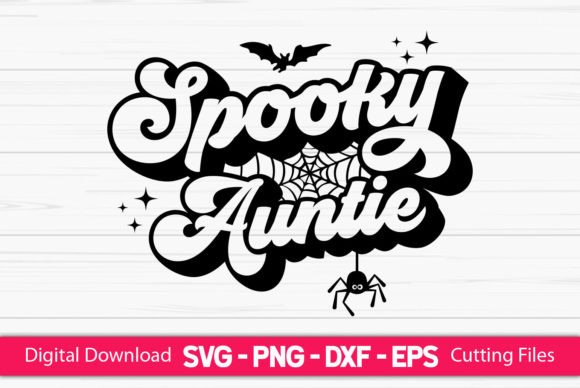
The moment I opened the SVG file for Spooky Auntie, I knew this wasn’t your average Halloween design. It has a whimsical yet slightly eerie vibe, which immediately made me think of custom apparel and handmade products for boutique shops or Etsy listings. The character is stylized—think classic horror movie aesthetics with a modern twist—and its layout is compact enough to fit on most surfaces without overwhelming them.
I was particularly drawn to how the design balances detail with simplicity. There are just enough visual elements to make it eye-catching, but not so many that they become distracting during stitching. This is crucial for anyone working on personalized gifts or commercial embroidery projects where stitch count and clarity can affect the final look and durability.
Real-World Application: Tote Bag Embroidery Test
To get a sense of how Spooky Auntie would perform in real-life use, I decided to test it on a cotton-linen blend tote bag. The design looked great in the mockup, but the true test came when I transferred it to fabric. I used satin stitch for the main outline and fill stitch for the interior details, making sure to adjust stitch density slightly due to the textured nature of the material.
After stitching, the result was surprisingly clean. The design retained its charm and character even after going through the hoop. However, I noticed that some of the smaller facial features required careful attention—especially if you're using a lower thread tension or thinner threads. For someone like an Etsy seller looking to create holiday gifts or small shop products, this could be a consideration depending on their target audience and materials.
What Works Well
- Custom Apparel: Sweatshirts and t-shirts work especially well. The bold lines and defined shapes translate cleanly into embroidery, giving a professional finish without overcomplicating the process.
- Embroidered Patches: This design could be adapted beautifully into an embroidered patch. Its cohesive shape makes it easy to frame, and the spooky aesthetic fits perfectly into themed collections for craft fairs or seasonal sales.
- Handmade Products: From pillow covers to aprons, Spooky Auntie adds a unique touch that stands out in handmade product lines. Its subtle intricacy gives a finished product more visual appeal, which is essential for building brand consistency and customer trust.
- Printable Mockups: As a graphics enthusiast, I appreciated how the PNG format allows for clear preview images. This is important for digital product sellers who want to showcase their design assets effectively on listings or social media.
Where to Use with Caution
- Small Hoop Sizes: While the overall design isn’t overly large, the facial details may require more space than expected. Always confirm your hoop size and consider scaling down carefully.
- Stretchy or Thin Fabrics: The fine lines in the design can distort on stretchy materials. Stick to stable fabrics like quilting cotton, canvas, or felt for best results.
- Dark Fabric Backgrounds: The design relies on contrast to show off its personality. On darker fabrics, thread color selection becomes even more critical. Test with light-colored threads first.
- Curved Surfaces: If you’re considering this for caps or curved surfaces, be prepared to tweak the layout or scale. The character might lose some definition if not adjusted properly.
- Frequent Washing: Because of the potential for high stitch density in certain areas, I recommend avoiding this design for baby clothes or other items that will undergo repeated laundering unless reinforced with proper stabilizer.
Design Notes for Embroidery Projects
Before moving forward with Spooky Auntie in any project, here are a few practical tips I’d share based on my experience:
- Test on Scrap Fabric: Always do a trial run. This helps you see how the design behaves under different tensions and on various materials.
- Review Stitch Density: Especially around the eyes and mouth. Too dense, and it might pucker; too loose, and the details may appear soft or undefined.
- Check Thread Color Contrast: Don’t assume black threads will pop on every fabric. Try a few options before finalizing the colors.
- Inspect Small Details: Zoom in on the design. Tiny lines or corners might need manual adjustments depending on your machine's capabilities.
- Use Proper Stabilizer: For anything beyond basic cotton, stabilizer is key to maintaining shape and preventing distortion.
- Confirm Licensing Before Selling: As a digital product seller or small shop owner, always verify whether the design allows for commercial use. This protects both your brand and your customers.
Visual Appeal and Customer Reaction
One of the things I love about Spooky Auntie is how it instantly conveys mood. It’s not just a Halloween design—it’s a statement piece. When applied to a sweatshirt or tote bag, it adds a layer of intrigue and charm. Customers tend to respond positively to such designs, especially if they align with niche themes or seasonal trends.
In terms of giftability, this design works wonders on personalized items. Imagine an embroidered tea towel with the name “Maggie” stitched underneath. It becomes a memorable, handcrafted gift that feels both thoughtful and professional. That kind of presentation is invaluable for hobbyists and creative entrepreneurs aiming to elevate their handmade product offerings.
Designing for Brand Recognition
If you're part of a craft business or running an online store, Spooky Auntie could help build recognition. Its quirky style sets it apart from generic Halloween motifs, allowing it to become part of your signature look. Just keep in mind that it may not suit all branding styles—evaluate whether it matches your overall aesthetic before committing to it as a core design element.
Final Thoughts for the Craft Community
Spooky Auntie is a strong contender for both personal and commercial embroidery projects. It brings a fresh energy to the Halloween season and can easily be integrated into a variety of crafts, from holiday gifts to boutique merchandise. However, it’s not a one-size-fits-all solution. Its effectiveness depends heavily on the fabric choice, hoop size, and embroidery settings.
For embroidery designers and digital product creators, this design offers a solid foundation for expanding your collection of machine embroidery designs. It’s versatile enough for tote bag designs and detailed enough for decorative accents. But don’t skip the prep work—review stitch paths, check fabric compatibility, and always test before you commit to production.
Whether you're a seasoned decorator or a new hobbyist, Spooky Auntie deserves a place in your embroidery arsenal—if used wisely. It adds value, charm, and a touch of the unexpected to your handmade products and custom apparel lines. Just remember to tailor it to your specific needs and audience expectations.