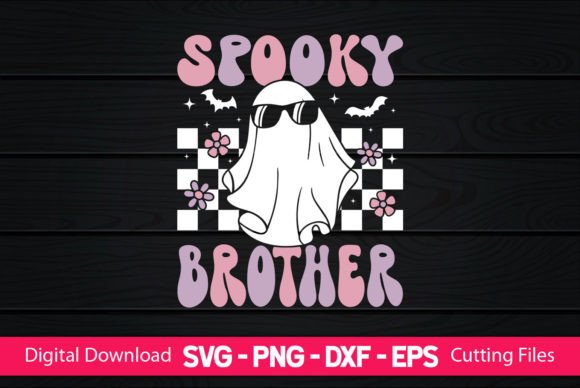
Spooky Brother Embroidery Design Review for Real Projects
Performance in Common Embroidery Applications
Custom Apparel: Whether you’re making sweatshirts or t-shirts, Spooky Brother works best when placed centrally or slightly off-center. Its friendly, spooky vibe adds a pop of character without becoming distracting. For baby clothes, though, I’d recommend simplifying the colors and maybe reducing the scale to avoid overwhelming the garment.
Patch Work and Decorative Accents: The design is well-suited for embroidered patches, especially those intended for denim jackets, backpacks, or hats. It holds its shape well when cut from felt or woven applique material, and the lines are smooth enough for precise edges. However, if you're planning to stitch it directly onto fabric (without cutting), keep an eye on the density settings to prevent puckering on thinner materials.
Tote Bags and Pillow Covers: On larger items like tote bags or pillow covers, Spooky Brother becomes a subtle but effective branding element. It reads clearly at a distance and looks more intentional when framed by a border or stitched with a decorative running stitch. I’d consider using it as a repeating pattern on pillow covers or tea towels, where it can contribute to a cohesive design set.
Holiday and Seasonal Projects: With its thematic nature, this design is ideal for holiday gifts or seasonal décor. Imagine a spooky-themed baby blanket or a personalized Halloween apron for a kid’s costume party. Just be cautious about licensing if you plan to sell these commercially—always confirm before listing on Etsy or any marketplace.
Boutique Branding and Small Shop Merchandise: If you're creating branded merchandise for a small shop or boutique, Spooky Brother can add a signature style to your lineup. It pairs nicely with minimalist layouts and complements both classic and modern aesthetics. I’ve seen similar designs elevate the perceived value of handmade products, so this one has potential for enhancing your brand's visual identity.
Where to Use with Caution
- Small Hoop Sizes: The design may lose clarity if forced into a tight space. Always check the minimum recommended hoop size and test it on scrap fabric first.
- Textured Fabrics: Stitching on flannel, corduroy, or quilting cotton might cause the design to appear uneven due to the fabric’s surface variation.
- Stretchy or Thin Fabrics: These can distort the final look unless you use the right stabilizer and adjust tension accordingly.
- Dark Fabric Backgrounds: Thread contrast is essential here. While the design itself is clear, dark fabrics may require lighter threads to maintain visibility and impact.
- Curved Surfaces: Caps or curved patches can challenge the design’s alignment. You’ll need to ensure the file is compatible with such surfaces or manually adjust the placement.
- Frequent Washing Items: Think twice before using it on everyday wearables like socks or underwear. Dense stitch areas may pill over time, and small details could fade faster than expected.
Design Notes for Embroidery Artists
- Test First: Always run a test on scrap fabric before committing to a real project. This is especially true for machine embroidery designs with multiple layers or stitch types.
- Check Thread Contrast: Evaluate whether your chosen thread colors will show up well against the fabric. Consider using a black-and-white mockup to simulate low-contrast situations.
- Review Stitch Density: Adjust the density of fill stitches based on fabric weight. Too dense on lightweight fabric can lead to distortion; too loose can look sloppy.
- Confirm Hoop Size: Make sure your machine has a hoop large enough to accommodate the design comfortably. Crowding it can lead to registration issues and poor stitch quality.
- Inspect Tiny Details: Look closely at the corners and smaller features. If they seem too delicate, simplify them or increase the stitch length slightly to avoid breakage.
- Use Proper Stabilizer: Especially important for stretchy or thin materials. A good stabilizer prevents shifting and ensures a neat finish.
- Consider Commercial Use: Before selling finished products or digital embroidery files, verify the license terms. Some designs come with restrictions, and you don’t want to run into legal trouble later.