Watercolor Wedding Bridal Vector Art Review: A Designer’s Perspective
As an embroidery designer with years of experience, I often find myself sifting through countless digital designs before settling on the right one for a project. Recently, I had the chance to work with Watercolor Wedding Bridal Vector Art, and I wanted to share my hands-on impressions from a real-world design standpoint. This piece is not just another vector file—it brings a soft, romantic aesthetic that feels uniquely suited for wedding-related projects and beyond.
First Impressions and Visual Personality
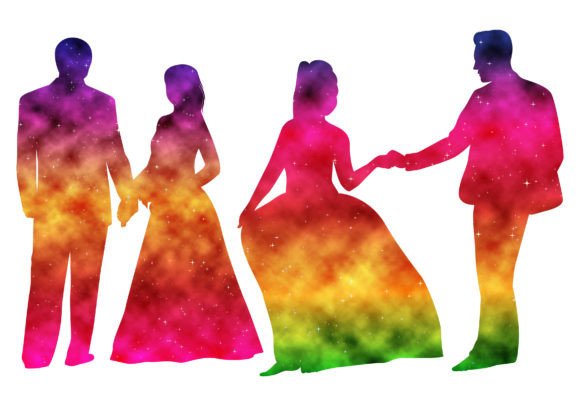
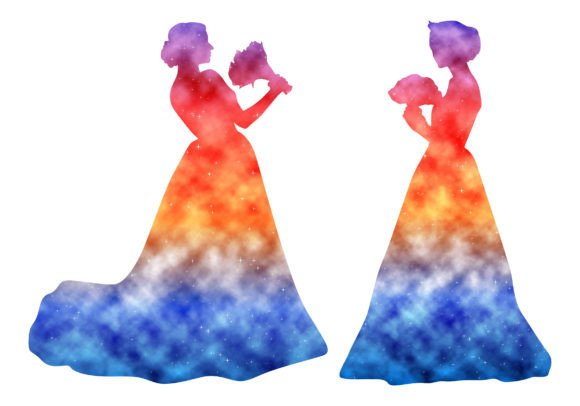
The Watercolor Wedding Bridal Vector Art immediately struck me as elegant and timeless. The watercolor style evokes a sense of delicacy and artistry, making it ideal for projects where you want to add a touch of sophistication without overwhelming the eye. It features flowing lines, subtle gradients, and a balanced layout that suggests movement and lightness—perfect for something like a custom sweatshirt or tote bag that needs to feel personal yet refined.
I noticed the design avoids overly intricate details that could become problematic in embroidery, which is a big plus. The overall composition seems intentional, with elements arranged in a way that complements each other rather than competing. This makes it easier to adapt the design into different formats, whether you're planning a handmade product or a commercial embroidery run.
Theme and Mood
Thematically, this vector set leans heavily into bridal motifs—flowers, lace-like textures, and soft silhouettes are all present. The mood is warm and inviting, suggesting celebration and love. As someone who works frequently with personalized gifts and custom apparel, I appreciate how this theme can be tailored to fit various products while still maintaining its core identity.
Real-Life Embroidery Use Cases
Let me walk you through a few practical applications where this design really shines. Imagine you’re preparing a sweatshirt embroidery for a bride-to-be. You want something that stands out but doesn’t scream “look at me.” The Watercolor Wedding Bridal Vector Art offers just that balance. When stitched using satin stitch and fill stitch techniques, it retains its soft visual character and adds a layer of professionalism to your finished product.
This design also works well for tote bag design projects. Its gentle curves and open spaces allow it to scale nicely and sit comfortably on a larger format without looking cluttered. I’ve used similar styles in holiday gifts and personalized gifts, and they consistently receive positive feedback for their artistic quality and emotional resonance.
For embroidered patch lovers, this art has enough detail to stand alone when printed or embroidered in smaller sizes. However, if you're aiming for a more detailed patch, you’ll need to ensure you have a machine capable of handling finer stitches and adequate hoop size to maintain clarity.
Commercial and Boutique Applications
Etsy sellers and small shop owners will especially appreciate the versatility of this design. It can be used across multiple product types, from baby clothes to aprons, and fits seamlessly into a range of craft business offerings. Whether you're creating nursery decor or small shop product lineups, the machine embroidery design aspect of this vector set allows for consistent branding and high-quality presentation.
One thing I noticed is how the thread colors translate well into both light and dark fabric backgrounds. This flexibility is key for any digital embroidery file that might be used across different merchandise. But don’t assume it will look great on every surface—test it first!
Where to Use It Carefully
While this design is versatile, there are definitely some scenarios where caution is needed. For example, if you plan to embroider it on a curved surface like a cap or hat, you may need to simplify the layout or adjust the stitch directions accordingly. The watercolor effect relies on smooth transitions, which can get distorted on rounded surfaces.
Small hoop sizes are another consideration. If you’re working with a tiny area—like a button or a decorative accent—you might lose some of the subtlety in the design. The same goes for stretchy fabrics; without proper stabilizer, the artwork could distort during stitching.
Additionally, if you’re thinking about using this on textured fabrics or garments that will see frequent washing, consider how the stitch density might affect durability. High-density areas can pucker over time, especially if the fabric isn’t prepped correctly.
Testing Before Committing
Here’s what I recommend before using Watercolor Wedding Bridal Vector Art in a production environment:
- Test on scrap fabric: Always try the design on a sample before committing to a full project.
- Check thread color contrast: Especially important for dark fabric backgrounds—make sure the design remains legible and visually appealing.
- Review stitch density: Areas with heavy fill or satin stitch should be examined closely to avoid puckering or stiffness.
- Confirm hoop size: Some parts of the design require more space to render properly. Don’t rush this step.
- Inspect small details: Look for tiny lettering or fine lines that might disappear when translated to thread.
- Use black and white mockups: This helps identify potential issues with contrast and visibility before purchasing threads.
- Compare light and dark fabric backgrounds: The same design can look dramatically different depending on the base material.
- Use proper stabilizer: Especially when working with thin or stretchy materials. Fusible webbing or tear-away stabilizers can make a big difference.
- Verify licensing terms: Since this is a graphics-based design, always confirm you can use it for commercial purposes before selling finished items or digital product previews.
Design Impact and Project Value
Using Watercolor Wedding Bridal Vector Art in your embroidery projects can significantly elevate the product value. Customers respond positively to hand-stitched art with a personal touch. It gives your handmade product a unique identity and sets it apart from mass-produced alternatives.
From a brand consistency perspective, the design’s cohesive look can help build a signature style for your craft business. If you specialize in custom apparel or holiday embroidery, incorporating this kind of vector art into your lineup can boost customer trust and engagement.
It’s also worth noting how this design contributes to giftability. The romantic and celebratory nature of the artwork makes it suitable for special occasions like weddings, anniversaries, or even bridal showers. People buy these kinds of design assets because they resonate emotionally—something we all strive for in our creative work.
Professionalism and Recognition
When applied correctly, this vector set adds a level of professionalism that’s hard to achieve with generic clipart or stock illustrations. It tells a story and reflects attention to detail. In competitive markets like Etsy or craft fairs, this kind of embroidery project can increase buyer engagement and justify higher pricing points.
However, remember that the beauty of this design depends on your execution. Poorly chosen threads, incorrect tension settings, or improper stabilizer can undermine the final result. Treat it like any other embroidery file—with care and respect for the medium.
Final Thoughts for Creative Makers
In summary, Watercolor Wedding Bridal Vector Art is a strong addition to your design toolkit if you're targeting wedding-themed or upscale handmade projects. It’s adaptable, expressive, and designed with a clear visual intention. That said, it’s not a magic bullet. Success with this design—and any machine embroidery design—comes down to thoughtful application and testing.
If you're an apparel decorator, a creative entrepreneur, or simply a hobbyist looking to expand your portfolio, I’d suggest starting with a single item like a pillow cover or a tea towel. Let the design speak for itself in a controlled setting before scaling up.
And always keep your audience in mind. Will this design resonate with your customers? Does it align with your brand values? These are the questions that matter most when choosing illustrations for real-life use.