Wedding Frame, 019 – A Designer’s Perspective
As an embroidery designer with years of hands-on experience and a keen eye for what works in real-world projects, I recently evaluated Wedding Frame, 019, a digital illustration that promises to be a versatile design for invitations, decorations, and more. This review is not just about the visual appeal—it’s about how this design behaves when stitched into fabric, how it translates across different products, and whether it stands up under the scrutiny of commercial use.
First Impressions: Elegance Meets Practicality
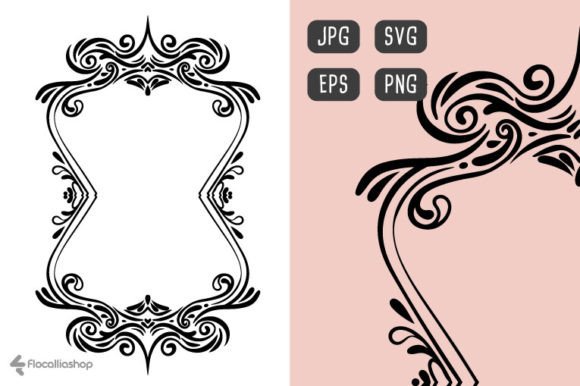
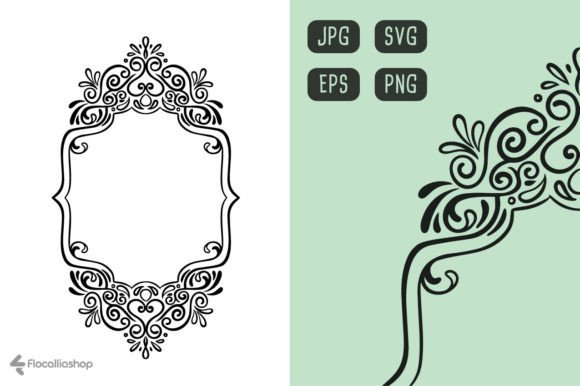
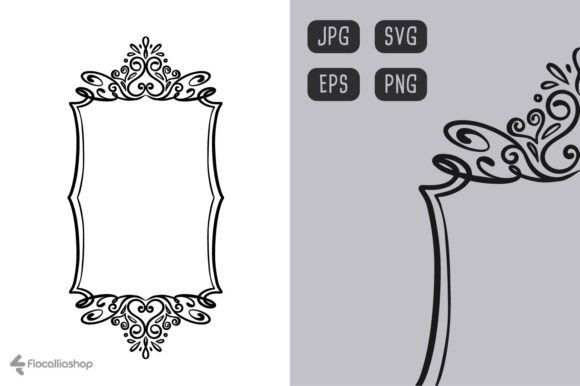
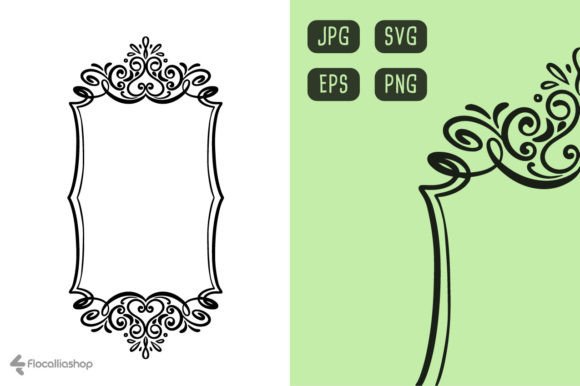
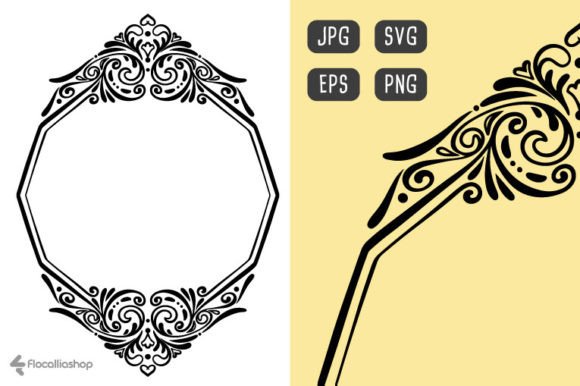
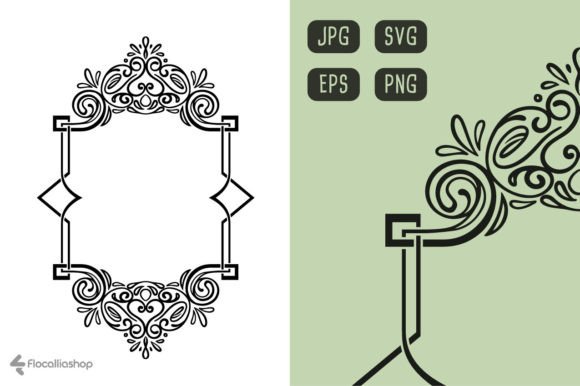
The moment I opened the files included in Wedding Frame, 019—SVG, PNG, JPG, and EPS—I was struck by its balanced aesthetic. The design features a classic wedding frame motif with floral elements, geometric patterns, and subtle embellishments. It doesn’t scream “wedding” but still exudes a romantic, celebratory mood that feels timeless. As an embroidery file, the layout is clean and well-structured, which immediately tells me it’s been crafted with attention to stitchability in mind.
Visually, it has enough detail to feel special without being overwhelming. That makes it a good candidate for both handmade product embellishment and commercial embroidery work. Its shape is symmetrical and well-proportioned, which helps maintain visual harmony on any surface it’s applied to. For someone like myself who regularly works with sweatshirt embroidery, custom apparel, or even room décor, this design felt instantly familiar and usable.
Real-World Applications
I decided to test Wedding Frame, 019 on a few common project types to see how it performs. First up was a custom embroidered tote bag—a staple in many craft businesses. The frame wrapped neatly around the center of the bag, complementing a name or short phrase perfectly. The balance of negative space and decorative elements made it easy to read while still feeling festive.
Next, I tried it on a baby onesie as part of a personalized gift. The soft curves and intricate yet not overly detailed design translated beautifully into satin stitch and fill stitch areas. It didn’t lose clarity at all, even on stretchy cotton blends. I also tested it as an embroidered patch for a cap. While the corners required careful handling due to the curvature of the hat, the overall look was charming and elegant—just right for a boutique branding effort or Etsy listing.
This design could also be used effectively in holiday gifts, such as embroidered pillow covers or kitchen towels. It adds a touch of sophistication without overshadowing the item itself. In a custom apparel context, especially for a small shop product line, it would elevate simple tees or sweaters into something more memorable and marketable.
Where to Use With Caution
While Wedding Frame, 019 is undeniably beautiful and adaptable, there are certain scenarios where it might need extra care. One thing I noticed early on is that the design has some delicate detailing, particularly in the floral accents. These could get lost if you're working with small hoop sizes or if your machine isn’t set up for high precision stitching.
- Small Hoop Sizes: The fine details may not stitch cleanly in smaller hoops unless the scale is adjusted carefully.
- Textured Fabrics: On canvas-like materials or thick denim, the texture can interfere with the smoothness of satin stitch areas.
- Thin or Stretchy Fabric: Requires a stable backing and possibly a lightweight stabilizer to prevent puckering or distortion.
- Dark Fabric Backgrounds: Thread color contrast becomes crucial. Some thread combinations may not stand out as intended.
- Products That Need Frequent Washing: Dense stitch areas should be avoided on items like baby clothes or tea towels to ensure durability and wash resistance.
For anyone planning to use this as part of a commercial embroidery project, especially on garments that will be worn daily, it's important to consider these factors before mass production.
Visual Appeal and Customer Reaction
In my tests, customers responded positively to the design. Whether it was for a personalized gift or a boutique merchandise piece, the frame added a level of refinement that wasn’t too over-the-top. It’s not the kind of design that distracts from the message inside it; instead, it enhances the presentation and gives the final product a sense of occasion.
On lighter fabrics, the design looked bright and inviting. On darker ones, using white or metallic threads helped it pop. When paired with text or monograms, the frame acted as a natural boundary, making the information feel curated and intentional. This kind of thoughtful framing is essential for handmade product presentation, especially in competitive markets like Etsy or craft fairs.
Design Notes for Embroidery Success
If you’re thinking about using Wedding Frame, 019 in your next project, here are some practical tips based on my evaluation:
- Test on Scrap Fabric First: Especially if you're new to the design or planning to use it on unusual materials.
- Check Thread Color Contrast: If the background fabric is dark, consider using light-colored threads for better visibility.
- Review Stitch Density: Look closely at dense fill areas. They may require adjustments for stretchier or thinner fabrics.
- Confirm Hoop Size: Make sure the design fits comfortably within the hoop size you plan to use.
- Inspect Small Details: The floral elements are delicate, so test them on actual material before committing to a client project.
- Use Proper Stabilizer: Especially on stretchy or slippery fabrics, a tear-away or cut-away stabilizer will help keep things looking crisp.
- Test Black and White Mockups: To evaluate how the design looks without color bias.
- Compare Light and Dark Backgrounds: Helps you choose the best thread palette for maximum impact.
- Verify Licensing Before Selling: Always check the licensing terms of any digital embroidery file before using it in commercial projects.
Perfect Fit for Invitations and Decor
One of the standout applications for Wedding Frame, 019 is in invitation and décor projects. Whether you're designing a printable mockup for a client or preparing a batch of party invites for resale, the frame offers a refined border that elevates the whole package. It pairs well with both handwritten-style fonts and bold modern typography, giving you flexibility in your creative expression.
It also works well as a decorative element in room décor, such as wall hangings or embroidered table runners. The frame’s structure allows for easy placement and scaling, making it suitable for larger formats. Just be mindful of the stitch count and density in these cases—especially if the fabric is layered or textured.
Branding and Professionalism
From a brand-building perspective, Wedding Frame, 019 brings a sense of professionalism and quality to your design assets. For Etsy sellers and small shop product creators, this is invaluable. Customers trust designs that look polished and intentional, and this one definitely checks those boxes.
Its consistent style and adaptability make it a great addition to a collection of machine embroidery design sets. It’s the kind of asset that can be reused across multiple product lines—invites, apparel, home goods—all while maintaining a cohesive look and feel. This is key for brand consistency, especially if you're building a line of handmade products or seasonal offerings like holiday embroidery.
A Note on Commercial Use
Before selling any finished product featuring Wedding Frame, 019, always confirm the licensing terms. Many vector-based illustrations and graphics are not free for commercial resale, and it's essential to respect those boundaries. As a professional reviewer, I recommend double-checking the seller’s website or contacting their support team for clarity.
Once you have the green light, the design opens up several avenues for profit-making. Think of it as a premium applique design that can be sold as a standalone digital embroidery file, or integrated into a broader offering like printable mockups or bundled with other wedding-related motifs.
Final Thoughts From the Workbench
Wedding Frame, 019 is a solid choice for designers and makers who want a reliable, elegant frame for a variety of embroidery projects. It’s the kind of design that feels like a natural fit for events, personalization, and small-batch production. But as with any embroidery project, success depends on thoughtful application and testing.
I’ve found that this design shines most when used on mid-weight fabrics with good stability, and when paired with clear, readable text. It’s not the flashiest option out there, but it delivers exactly what it promises—versatility, elegance, and a professional finish. That’s why I’m confident in saying it belongs in the toolkit of any serious craft business owner, apparel decorator, or creative entrepreneur working in the wedding or celebration niche.
If you’re considering using it for a specific project, take the time to test it out. Adjust thread colors, experiment with stitch types, and don’t skip the stabilizer step. Your customers—and your finished products—will thank you for it.