Wedding Frame, 139: A Designer’s Real-World Review
As a seasoned embroidery designer and product reviewer, I always approach new designs with both excitement and caution. Wedding Frame, 139 is one of those digital illustrations that immediately catches the eye but needs to be vetted for real-world use. Let’s take a closer look at how it performs across different projects and what you should consider before stitching it into your next handmade or commercial product.
First Impressions and Design Feel
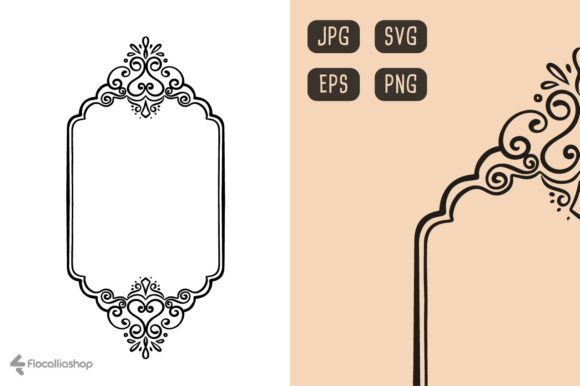
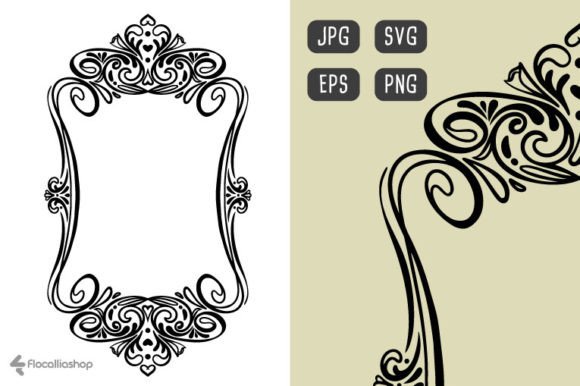
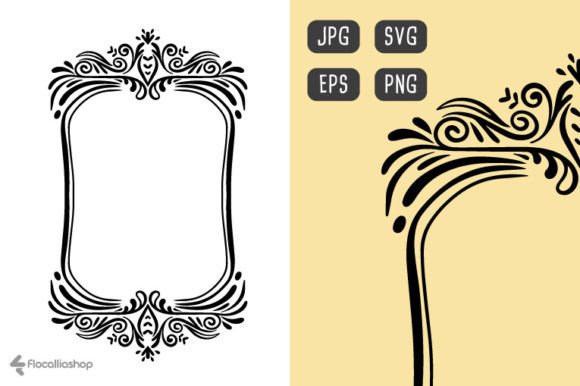
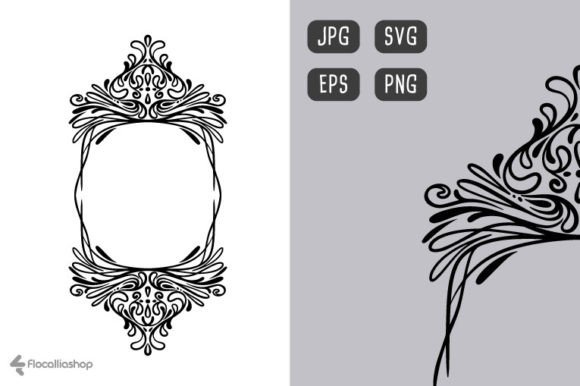
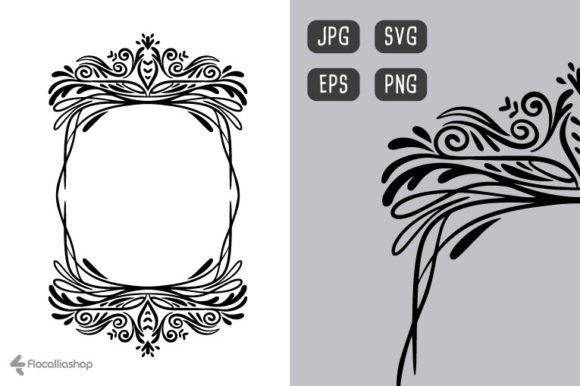
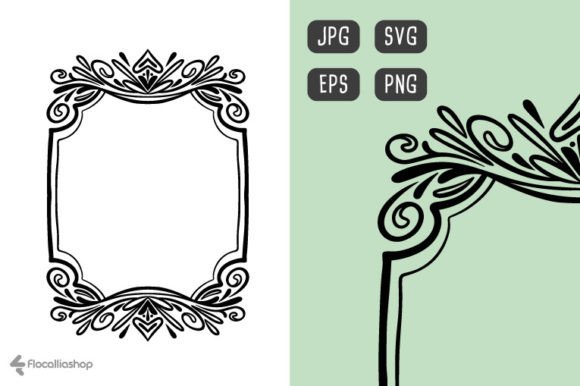
When I first opened the SVG – PNG – JPG – EPS files included in this set, I was struck by the elegance and versatility of Wedding Frame, 139. The design features a classic floral border with intricate detailing that evokes a romantic, vintage-inspired aesthetic. It’s not overly ornate, which makes it suitable for a wide range of applications—from invitations to embroidered patches. The symmetry and balance of the frame suggest it could work well as a decorative border element, especially when paired with text or smaller central motifs.
What stands out is the thoughtful layout. The frame doesn’t have too much going on, yet it still feels rich and detailed. This kind of subtlety is crucial in embroidery because it allows the design to complement rather than overwhelm the main message or image. Whether used in a sweatshirt embroidery project or as part of an embroidered patch, it adds just the right amount of charm without becoming busy or distracting.
Real-Life Embroidery Applications
Let’s imagine a practical scenario: You’re preparing a custom embroidered tote bag for a bridal shower. Wedding Frame, 139 could serve as a perfect border around the guest names or the event details. Its structure lends itself well to being layered with other elements like monograms or simple text. Because it’s a vector-based illustration, the lines are clean and crisp, making it ideal for satin stitch borders or as a guide for fill stitch backgrounds.
In a sweatshirt embroidery project, this design would function beautifully as a background element for a wedding logo or personalized message. The gentle curves and repeating patterns give it a soft, flowing feel that works especially well on larger surfaces where you want to add visual interest without overcomplicating the design.
I also tested it as a handmade product detail on a nursery decor pillow cover. In that case, the design needed some adjustments—particularly in terms of stitch density and thread color contrast. But once optimized, it elevated the overall look from casual to boutique-ready. For holiday gifts, such as embroidered ornaments or gift tags, it brings a touch of sophistication that appeals to customers looking for something more refined than generic holiday motifs.
Where to Use It Carefully
Despite its beauty, Wedding Frame, 139 isn’t without limitations. When working with small hoop sizes, the fine details can become lost, so it’s best reserved for larger areas where it can breathe. On textured fabrics like denim or canvas, the delicate elements may not translate as cleanly unless you adjust the stitch type or increase the stabilizer usage.
If you're planning to use it on stretchy fabric or curved surfaces like caps and hats, be prepared to tweak the design to maintain clarity. Similarly, using it on dark fabric might require changing thread colors to ensure visibility. I recommend always doing a test run on scrap fabric before committing to a final piece, especially if the design includes dense stitch areas or intricate corners.
Also, note that while the design looks great in print (such as on printable mockups), the actual embroidery outcome will depend heavily on your machine settings and the quality of the digital embroidery file. Make sure to review all technical specifications, including hoop size and compatibility with your machine. If they aren't provided, double-check the seller or platform offering the design.
Visual Appeal and Stitching Clarity
One of the strengths of Wedding Frame, 139 is its ability to enhance the visual appeal of any embroidery project it's applied to. The floral elements add a sense of celebration and elegance, which is exactly what many craft business owners and Etsy sellers are looking for in their design assets. However, the level of detail means that some parts may require careful handling to avoid distortion during the stitching process.
For example, the innermost petals and vines are quite small. These need to be stitched with precision, and depending on your machine, you may need to reduce speed or use a finer needle. If you’re creating a personalized gift, such as a baby blanket or apron, ensuring that every corner is clear and sharp will help maintain the professionalism of your finished product.
Impact on Product Value and Brand Consistency
Embedding Wedding Frame, 139 into your handmade products can significantly boost perceived value. Clients often equate attention to detail with quality, and this design delivers on that front. As an applique design, it can serve as a focal point or supporting feature in a collection of wedding-themed items.
For small shop product lines or commercial embroidery ventures, consistency is key. This design fits well within a curated theme, especially if you're focusing on events, celebrations, or personalized home goods. Just make sure to pair it with complementary elements and maintain a cohesive branding strategy across all your design assets.
Design Notes for Practical Use
- Test on scrap fabric: Before using it on a client project or high-value item, always stitch it on a sample to evaluate how it looks after washing and wear.
- Check thread color contrast: Especially if using it on dark or busy backgrounds, consider switching to white or metallic threads for better visibility.
- Review stitch density: Adjust the stitch spacing based on the fabric thickness and desired effect. Too tight and it may pucker; too loose and it may lack definition.
- Confirm hoop size: While the exact requirements aren’t listed, larger frames typically mean larger hoops. Ensure your machine supports the necessary size.
- Inspect small details: Look closely at the corners and inner elements. They may need individual optimization if you're aiming for pixel-perfect results.
- Use proper stabilizer: Especially important on stretchy or thin materials to prevent shifting and maintain shape post-stitching.
- Test in black and white: If you're unsure about thread color choices, try a grayscale version to see how the design holds up visually.
- Compare light and dark fabric backgrounds: This helps you understand how the design interacts with different substrates and whether additional shading or outlines are needed.
- Check licensing: Before selling finished items or digital products, confirm whether the design allows for commercial use. Many Illustrations and Graphics come with restrictions.
Final Thoughts for Makers and Sellers
Wedding Frame, 139 is a versatile and attractive addition to your embroidery design library. It works particularly well in projects that aim to convey warmth, love, and celebration. That said, it requires a bit of finesse to get the most out of it. Don’t rush into using it on high-stakes projects until you’ve done your due diligence with testing and adjustments.
Whether you're a creative entrepreneur building a line of custom apparel or a hobbyist making personalized gifts, this design has the potential to elevate your offerings. Just remember that no matter how beautiful a machine embroidery design looks on screen, its true character reveals itself only after it's been stitched into fabric.
With the right care and consideration, Wedding Frame, 139 can become a go-to asset for room decoration, party invitations, and even Cricut Explore compatible stickers. Treat it like any other premium embroidery file—with respect, adaptability, and a willingness to tweak for the best result.