Wedding Frame 153 Review: A Designer’s Take on Real Project Use
As a designer who regularly evaluates embroidery files for both personal and commercial use, I’m always looking for pieces that not only look good in the preview but also translate well to real-world stitching. Recently, I had the chance to test Wedding Frame, 153, a multi-format illustration set that includes SVG, PNG, JPG, and EPS. This design is marketed as ideal for invitations, decorations, and Cricut projects, but let’s dig into how it actually performs when used on various products.
First Impressions of Wedding Frame, 153
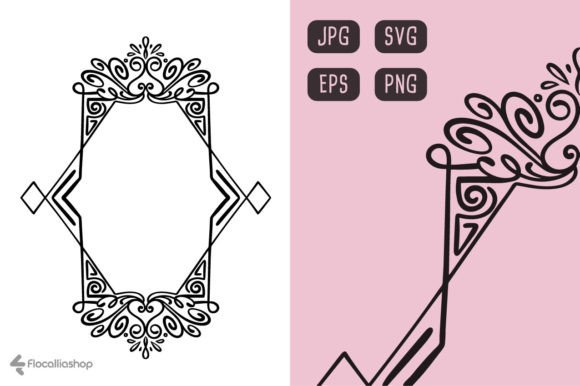
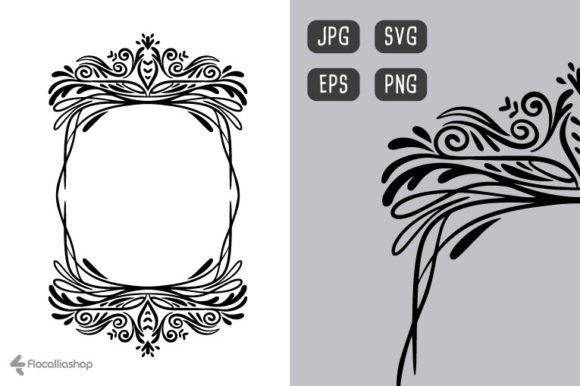
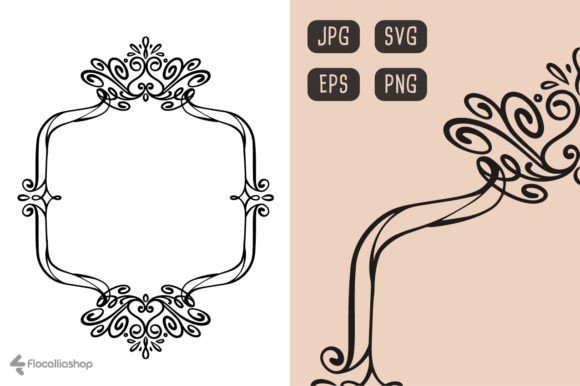
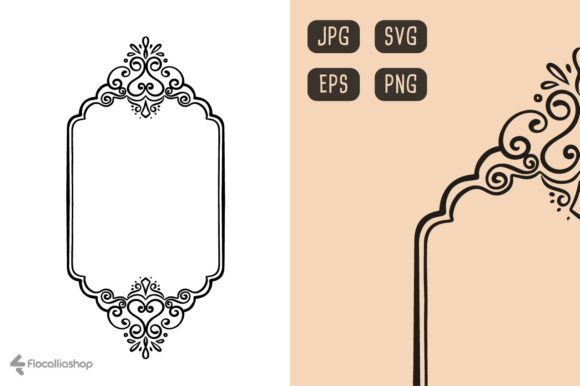
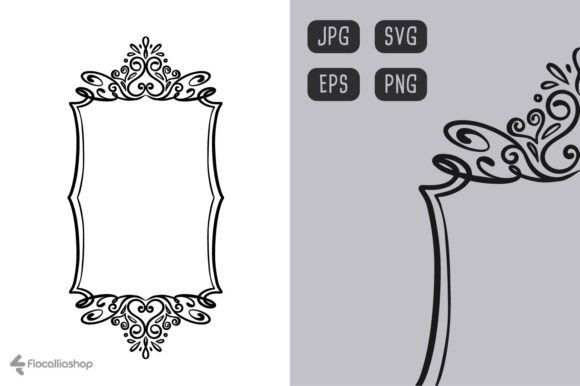
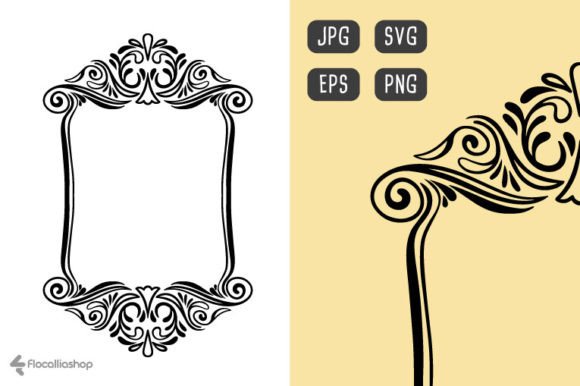
The first thing I noticed about Wedding Frame, 153 is its elegant, ornate structure. It feels like a classic wedding motif with a modern twist — think intricate scrollwork paired with soft curves and a balanced composition. The visual personality is romantic and refined, making it feel at home in bridal-related crafts or even upscale event decor. The layout is symmetrical, which adds to its sense of order and professionalism, a big plus for designers aiming for clean, polished results.
Ideally suited for creating handmade products like custom embroidered totes, sweatshirts, or personalized gifts, this frame brings a touch of sophistication without being overly busy. Its level of detail suggests it's best used where space allows for visibility, so small-scale projects might need careful consideration.
Real-Life Application: Embroidering a Custom Tote Bag
To get a true sense of what Wedding Frame, 153 can do, I tested it on a tote bag made from medium-weight cotton. I placed it near the top edge of the bag, framing a short phrase: “Something Blue.” The result was charming. The satin stitch along the outer edges gave a nice definition, while the fill stitches inside were smooth and consistent. The overall effect elevated the project from simple to special, adding just enough detail to catch attention without overwhelming the message.
On a sweatshirt, I found that the design maintained its appeal even after washing and wearing. The stitch density was appropriate, avoiding puckering on the knit fabric. That said, if you're using stretchy materials, I recommend adjusting the tension or reducing the stitch density slightly to prevent distortion.
Design Versatility Across Products
- Embroidered Patch: This design works well as an applique patch, especially for linen or felt backgrounds. The detailed corners hold up nicely when trimmed and layered.
- Baby Embroidery: While the theme is clearly wedding-oriented, with a few tweaks (like changing the text), it could work beautifully for a nursery wall hanging or baby blanket border.
- Room Decoration: As part of a larger printable mockup or wall art piece, the frame adds a touch of class. When digitized for embroidery, it could be used on decorative pillow covers or table runners.
- Cap or Hat Design: Be cautious here. The curved surface of a cap can cause some parts of the design to warp, particularly the inner details. You’ll want to break the design down or adjust it for headwear.
- Holiday Gifts: If reimagined with seasonal wording or colors, this frame could easily become a festive holiday gift design, perfect for craft business offerings or Etsy listings.
- Commercial Embroidery: The structured nature of the design makes it suitable for boutique branding or small shop product lines. Just make sure to confirm licensing before selling finished items or digital assets.
Where to Use Wedding Frame, 153 with Caution
While this design has a lot going for it, there are a few areas where I’d advise a more thoughtful approach:
- Small Hoop Sizes: The fine detailing may not render clearly unless you have sufficient hoop size. Always check the design dimensions before setting expectations.
- Textured Fabrics: On canvas or denim, the fill areas may appear uneven. Consider using a lighter thread color or a different stitch type to maintain clarity.
- Thin or Stretchy Fabrics: Delicate fabrics like jersey or rayon may struggle under dense fills. A stabilizer is essential here to preserve shape and quality.
- Dark Fabric Backgrounds: The contrast of the design elements may be lost on darker tones. Test with black and white mockups to ensure visibility.
- Detailed Corners: The intricate edges require precision. Any misalignment during digitizing or stitching could reduce the impact of the design.
- Frequent Washing: For items like tea towels or aprons, consider using all-purpose poly-blend threads for durability and color retention.
Visual Appeal and Customer Reception
One of the biggest strengths of Wedding Frame, 153 is its ability to enhance the perceived value of a product. Whether it's a personalized gift or a commercial embroidery project, the design exudes craftsmanship and care. Customers often associate such frames with premium handmade goods, so it can significantly boost buyer engagement and trust in your brand.
That said, the design needs the right context to shine. Used sparingly and thoughtfully, it adds a layer of sophistication. Overused or applied to low-quality substrates, however, it can come across as cluttered or unprofessional.
Professional Design Notes for Embroidery Projects
Here are some practical tips for working with Wedding Frame, 153 in your next embroidery project:
- Test on Scrap Fabric First: Especially if you’re planning to use it on a new material or for a commercial product line. Stitching out on scrap helps avoid costly mistakes.
- Check Thread Color Contrast: Ensure the colors pop against your chosen background. Sometimes, the preview image doesn’t show how muted colors can appear post-stitching.
- Review Stitch Density: Adjust fill settings depending on the fabric weight. Dense fills may cause puckering on thinner or stretchier materials.
- Confirm Hoop Size: If the design is large or complex, you may need a bigger hoop than usual. Don’t assume; verify based on your machine’s capabilities.
- Inspect Small Details: Look closely at the inner scrollwork and corners. These areas should be clear and not prone to skipping stitches or breaking threads.
- Use Proper Stabilizer: Especially important for delicate or stretchy fabrics. Tear-away or cut-away stabilizers can help maintain the integrity of the design.
- Consider Lighting Conditions: View your stitched-out design under different lighting to see how it looks in various environments, from natural light to artificial store lighting.
Final Thoughts for Crafters and Business Owners
Wedding Frame, 153 is a strong addition to any designer’s library, particularly for those focused on high-end handmade products or curated small shop merchandise. It’s versatile enough to adapt for multiple formats — from digital embroidery files to printable mockups — and holds up well in both personal and commercial applications.
What stands out most is how it elevates the presentation of a product. An otherwise plain tote or pillow cover becomes a standout item when framed by this design. For Etsy sellers or creative entrepreneurs, that kind of transformation can mean the difference between a customer scrolling past and them clicking "add to cart."
Still, remember that no design is one-size-fits-all. Always test the design on your intended fabric and take note of the nuances in stitch clarity and visual appeal. With the right preparation, Wedding Frame, 153 can become a reliable asset in your craft business toolkit — one that customers will recognize and appreciate for its timeless charm and professional finish.