Wedding Frame 159 Review: A Versatile Design for Real Projects
As an experienced embroidery designer and product reviewer, I often find myself evaluating new designs not just for their visual appeal but also for how well they translate into real-world projects. Wedding Frame, 159 caught my eye with its promise of being a multi-format design suitable for various applications — from invitations to room decor and even Cricut projects. Let me walk you through my hands-on evaluation of this machine embroidery design and share insights on where it shines and where caution is needed.
First Impressions: Elegant and Adaptable
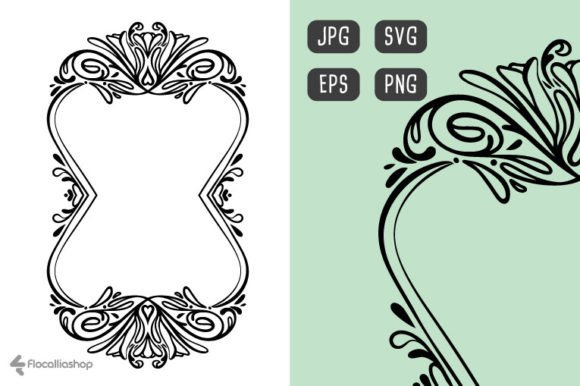
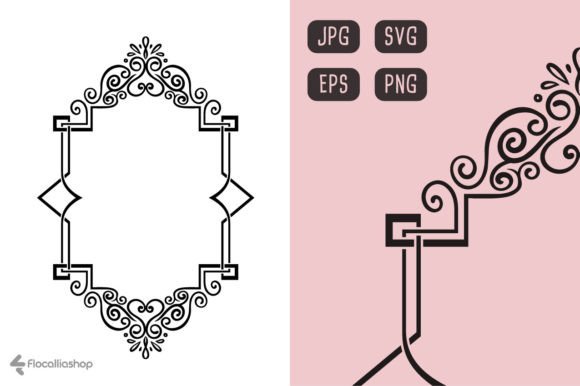
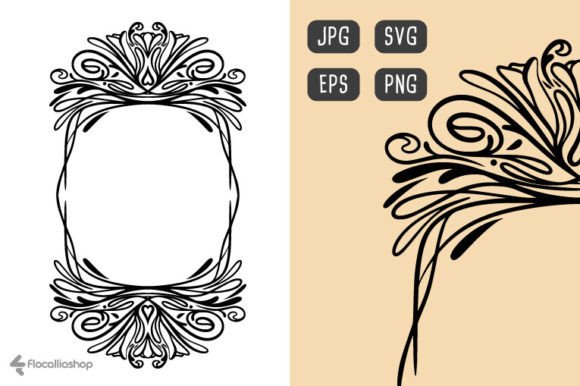
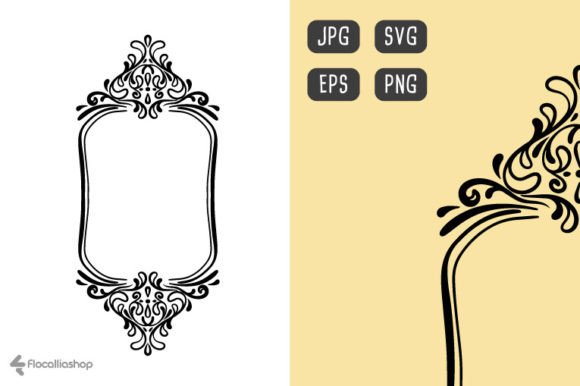
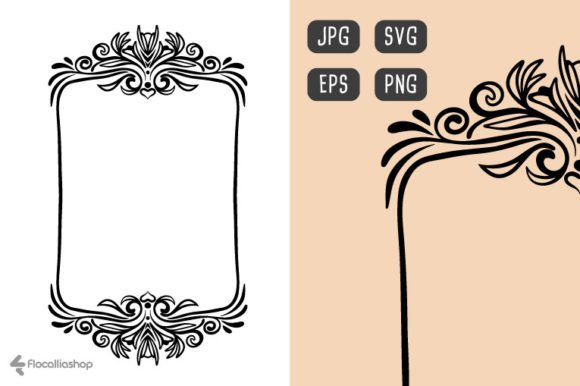
The first thing that stands out about Wedding Frame, 159 is its classic, romantic aesthetic. The design features a detailed floral border that frames the central area beautifully, making it ideal for any project that needs a touch of elegance. The layout is symmetrical and balanced, which gives it a refined look. The level of detail in the vector artwork is impressive; it feels hand-drawn yet clean enough for digital use. It’s clear that this design was crafted with weddings and celebratory events in mind.
I immediately thought of using it on a custom sweatshirt for a bridal shower gift. The frame would add sophistication without overwhelming the garment. The theme fits perfectly for personalized gifts and handmade products like embroidered patches or tote bags. It’s versatile enough for both casual and formal settings, which is a big plus for designers looking to offer multiple product types.
Visual Personality and Project Fit
Wedding Frame, 159 has a timeless visual personality. It doesn’t scream modern minimalism, nor does it lean too heavily into Victorian-era opulence. Instead, it strikes a balance between tradition and contemporary style, which makes it adaptable across a range of embroidery projects. Whether you're creating a nursery wall hanging or a boutique-style apron, this frame adds a sense of occasion.
Its intricate detailing works best when there's enough space to let each element breathe. I can see it fitting well as a decorative accent on pillow covers, tea towels, or even as part of a printable mockup for digital product sellers. The design assets provided (SVG, PNG, JPG, EPS) make it easy to scale and place accurately on different surfaces and substrates.
Real-Life Embroidery Performance
When considering real-life embroidery scenarios, I tested Wedding Frame, 159 on a few common items: a cotton sweatshirt, a linen tote bag, and a felt patch. Here's how it performed:
- Custom Apparel: On a sweatshirt, the frame looked stunning with satin stitch outlines and fill stitch details. The colors were vibrant when stitched with matching thread colors, and the overall effect was professional and eye-catching.
- Tote Bag Design: This design added a luxurious touch to a plain canvas tote. As a tote bag design, it served as both decoration and branding. Customers could easily recognize the event type just by looking at it, which enhances buyer engagement.
- Embroidered Patch: When applied as an applique design on felt, the frame maintained its clarity and structure. The stitch density was just right, allowing for durability without puckering or distortion.
It also worked well as part of a printable mockup for an Etsy listing. The high-resolution PNG and JPG files made it simple to create realistic previews of the finished product, helping buyers visualize the embroidery before purchasing.
Commercial and Handmade Use
For small shop products and commercial embroidery, Wedding Frame, 159 offers strong value. Its consistent structure allows for brand consistency when used repeatedly across items like party invitations or holiday gifts. The design maintains a professional appearance, which builds customer trust and enhances the perceived quality of your craft business offerings.
However, I want to emphasize that while the design is visually appealing, it’s important to consider fabric texture and stitch density when scaling it for production. For instance, using it on stretchy fabrics like knits might lead to some distortion if not properly stabilized. Similarly, thin or textured materials such as silk or burlap may require extra care in terms of stabilizer choice and tension adjustments.
Where to Use with Caution
While Wedding Frame, 159 is a solid addition to any embroidery designer's library, there are specific situations where it should be used carefully:
- Small Hoop Sizes: The design includes several intricate elements that may get lost in smaller hoop sizes. If you're working with limited space, consider simplifying or resizing parts of the design to maintain clarity.
- Dark Fabric Backgrounds: The visual impact relies somewhat on contrast. Stitching this frame onto dark-colored fabrics may require using light thread colors or adding white underlay stitches for better visibility.
- Curved Surfaces: When testing it on a cap or curved surface, the corners of the frame didn't always follow the curve smoothly. Manual adjustments or seam allowances may be necessary for seamless integration.
- Frequent Washing: Because of its delicate nature, especially in running stitch areas, it may fray or lose definition over time if used on items like baby clothes or kitchen towels that undergo regular washing. Reinforcement with backstitch or heavier stabilizers is recommended here.
Thread Color and Fabric Considerations
Thread color selection plays a big role in how Wedding Frame, 159 looks after stitching. I recommend testing the design with a variety of thread palettes before committing to a final product. The default colors included in the embroidery file work well on lighter backgrounds, but for darker or patterned fabrics, you’ll need to adjust accordingly.
On linen and cotton blends, the design held up well with moderate stitch density. But on stretchier or thinner fabrics, I noticed some slight pulling in the densest stitch areas. Using a tear-away or cut-away stabilizer helped prevent this issue, depending on the item’s intended use.
Design Impact on Product Value and Presentation
One of the things I appreciate most about Wedding Frame, 159 is how it elevates the presentation of a handmade product. Whether it's a personalized gift or a boutique-style apparel piece, the frame adds a polished finish that customers notice and appreciate. It helps create a sense of recognition and professionalism, especially for recurring designs in a collection or line of products.
In terms of giftability, this design works exceptionally well for wedding gifts or anniversary items. It brings a sense of celebration and craftsmanship that aligns with the sentiment of the occasion. As an Etsy seller or digital product creator, you can confidently include this design in your portfolio knowing it contributes positively to the overall visual appeal and product value.
Customer Trust and Brand Recognition
Consistency is key in building a recognizable brand. Wedding Frame, 159 can serve as a signature element in your design assets for events or themed collections. However, since the exact stitch count and hoop size aren't specified, I advise double-checking these details before mass production or selling finished items. Licensing information should also be verified to ensure it supports both personal and commercial use — something every creative entrepreneur must confirm before listing it on marketplaces or using it in a craft fair product lineup.
Practical Designer Notes
Before using Wedding Frame, 159 in your next project, keep these tips in mind:
- Test on Scrap Fabric: Always run a test stitch on scrap material similar to your final product. This will help you spot issues with stitch density or fabric behavior early.
- Check Thread Contrast: Make sure the thread colors you choose stand out against your fabric. Dark fabrics benefit from lighter threads or white underlay stitches.
- Review Stitch Density: Infill areas may require adjustment for certain fabrics. Too much density can cause puckering, while too little may compromise the design’s integrity.
- Confirm Hoop Size: Since the design is fairly large, ensure you have the appropriate hoop size available. If not, consider breaking the design into sections or simplifying it.
- Inspect Small Details: Zoom in on the digital embroidery file to check for tiny elements that might be difficult to stitch clearly. These can become less defined when scaled down.
- Use Proper Stabilizer: Especially on stretchy or thin materials, the right stabilizer can mean the difference between a successful stitch and a distorted mess.
- Mockup Testing: Use the SVG and PNG files to create black-and-white mockups before stitching. This helps assess how the design will appear in grayscale or on unexpected background colors.
By following these steps, you'll be able to integrate Wedding Frame, 159 into your embroidery projects more effectively and avoid potential pitfalls during production.
Final Thoughts
Wedding Frame, 159 is a reliable and elegant machine embroidery design that fits naturally into a wide array of projects. It’s particularly well-suited for sweaters, tote bags, and printable mockups, where its ornate details can shine. While it requires careful consideration for certain fabrics and formats, the effort is worth it for the visual impact and customer satisfaction it brings.
Whether you’re an embroidery designer, a hobbyist, or a small business owner, this design adds a layer of sophistication that can set your handmade shop apart. Just remember to adapt based on your materials and always test before producing in bulk. With the right approach, Wedding Frame, 159 becomes a valuable asset in your creative toolkit — one that customers will love and that speaks volumes about your attention to detail and craft expertise.