Wedding Frame, 160 – A Designer’s Honest Review
As a designer and embroidery product reviewer with years of experience in creating custom items for clients and my own craft business, I always approach new designs with a mix of curiosity and caution. The Wedding Frame, 160 is one such design that caught my eye for its elegant structure and versatility. Let me walk you through how this machine embroidery design stacks up when tested for real-world application.
First Impressions: Timeless Elegance Meets Modern Use
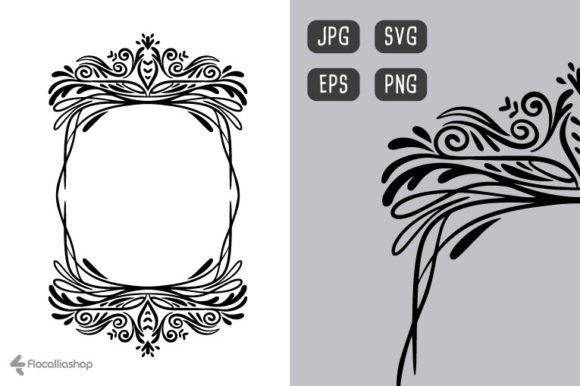
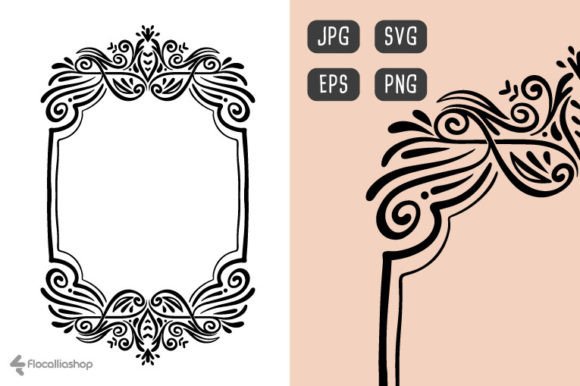
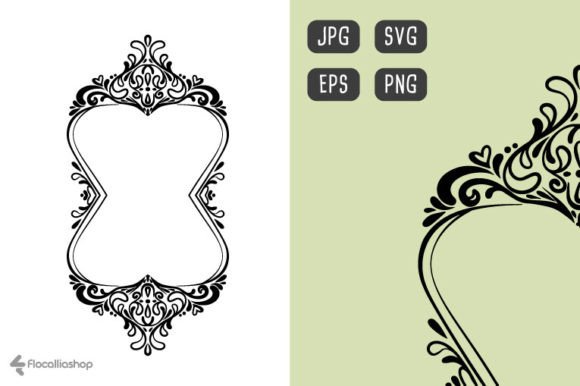
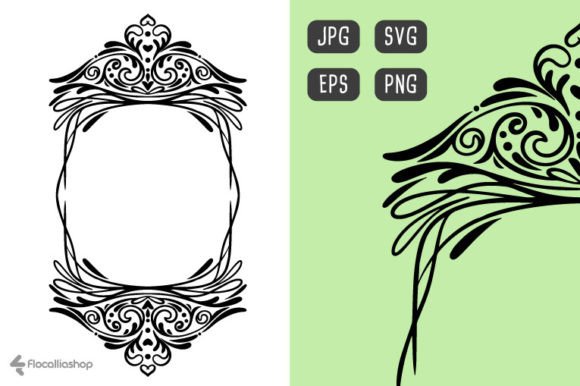
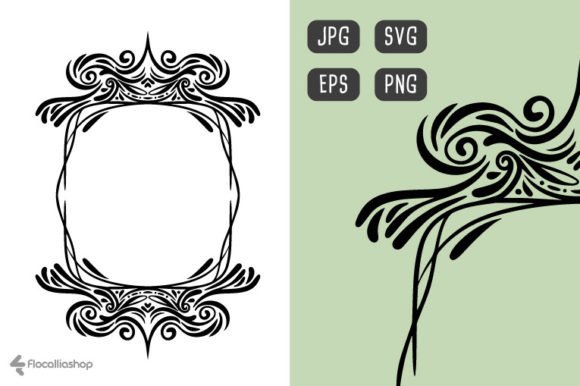
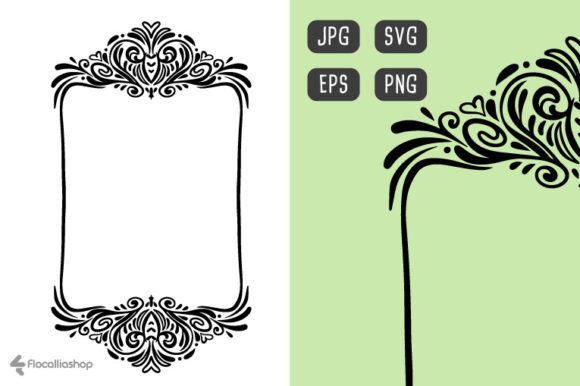
The moment I unzipped the digital file package for Wedding Frame, 160, I knew it was crafted with intention. This vector frame includes SVG, PNG, JPG, and EPS formats—ideal for both physical stitching and digital previews. The layout is classic yet adaptable, making it perfect for those who want to add a refined touch without overcomplicating their project. Its symmetrical lines and floral elements give off a soft, romantic vibe, which immediately made me think of wedding invitations, personalized gifts, and boutique apparel. It feels like the kind of illustration that can be used sparingly but still make a strong visual impact.
What Kind of Embroidery Project Does It Fit?
I imagined using this design on a custom embroidered sweatshirt as a border around hand-lettered names or dates. It also works well as an applique design on tote bags, especially for events like bridal showers or baby showers. The level of detail isn’t too intricate, so it avoids becoming overwhelming on larger projects. At the same time, it carries enough character to elevate even the simplest of handmade products into something more memorable.
Real-Life Application: Where It Shines
Wedding Frame, 160 performs exceptionally well in several practical scenarios:
- Custom Apparel: As a border element on t-shirts, sweaters, or hoodies, this frame adds a polished finish. It complements names, monograms, or short phrases beautifully.
- Tote Bag Design: When placed along the top edge or centered at the bottom of a tote, it creates a cohesive look that feels professional and intentional.
- Room Decoration: Used on decorative pillows or wall hangings, it brings a subtle sophistication that fits well in weddings or holiday-themed spaces.
- Baby Embroidery: For gender-neutral nursery decor, this frame offers a clean, elegant backdrop for embroidered milestones or names.
- Embroidered Patch: When converted into a patch format, it becomes a versatile accessory for denim jackets, backpacks, or hats.
- Holiday Embroidery: With slight adjustments, it could serve as a frame for Christmas cards, gift tags, or festive aprons.
- Etsy Listings & Printable Mockups: The included PNG and JPG files are high quality, making them excellent for showcasing your finished product online or in printable mockups.
This is not just another generic graphic—it's a thoughtful illustration that blends seamlessly into various contexts while maintaining a consistent theme of celebration and elegance.
Where to Use It Carefully
While Wedding Frame, 160 is a solid addition to any embroidery library, there are some situations where it might not perform as expected:
- Small Hoop Sizes: The frame’s size means it won’t fit into every hoop. Always confirm the recommended hoop size before starting a project.
- Textured Fabrics: On fabrics like canvas or denim, the fine lines may not stitch as smoothly. Consider adjusting stitch density or using a finer thread.
- Stretchy or Thin Fabrics: Delicate materials can distort during stitching, especially if the design has dense fill areas. Use proper stabilizer and test first.
- Dark Fabric Backgrounds: If you're working with dark-colored garments or textiles, ensure the thread colors contrast well. Otherwise, the design may appear muted or less defined.
- Curved Surfaces: While Cricut Explore compatibility is noted, applying this to curved surfaces like caps or mugs may require extra attention to alignment and fabric tension.
- Frequent Washing: Because of its detailed corners and potential for tight stitch areas, frequent washing may cause fraying or distortion. Choose durable threads and consider using a backing stabilizer.
These are not deal-breakers, but rather reminders that thoughtful preparation is key to successful embroidery. Every designer should take the time to understand how a design interacts with different materials and settings.
Visual Appeal and Customer Reception
One of the most important factors for any embroidery project is how the final product looks and feels. Wedding Frame, 160 delivers on both counts. The shape is balanced, the details are clear, and it doesn’t overwhelm the viewer. Whether stitched in gold on white linen or in pastel tones on a cotton sweatshirt, it retains a sense of occasion and care.
In terms of customer trust and brand consistency, using this frame on handmade products signals professionalism. Clients and shoppers will notice the effort put into the design, and it helps build recognition for your craft business. It’s also highly giftable, particularly for special occasions like anniversaries, engagements, or birthdays. The design’s adaptability makes it suitable for both personal use and commercial ventures.
Designer Notes for Real-World Use
Here are some tips from my own process when evaluating and using machine embroidery designs like Wedding Frame, 160:
- Test on Scrap Fabric First: Always do a trial run. Even the best digital illustrations need to prove themselves on actual material.
- Check Thread Color Contrast: Especially important for sweatshirt embroidery or tote bag designs. If the background is light, darker threads pop better; if it's dark, lighter shades work better.
- Review Stitch Density: Dense stitch areas can lead to puckering or stiffness. Adjust the density slightly depending on the fabric.
- Confirm Hoop Size: If you're unsure about the dimensions, check the file specs or test on a similar-sized piece of fabric.
- Inspect Small Details: Look closely at the corners and inner edges of the frame. These are often the first places where stitching issues arise.
- Use Proper Stabilizer: Especially crucial for stretchy or thin materials. A good stabilizer prevents shifting and ensures clean lines.
- Test in Black and White: See how the design translates without color. This helps determine whether it will still be visually appealing in grayscale or on unexpected fabric choices.
- Compare Light and Dark Backgrounds: Some designs lose their charm when applied to dark materials. Make sure Wedding Frame, 160 remains legible and attractive across your intended fabric palette.
- Confirm Licensing Before Selling: Since this is a digital embroidery file, always verify the license allows for commercial use if you plan to sell finished products or digital assets.
These steps help ensure that your finished product meets expectations and maintains a high standard of quality—especially when selling on platforms like Etsy or at craft fairs.
Final Thoughts for Creative Entrepreneurs
As someone who regularly evaluates embroidery graphics for inclusion in client projects and my own small shop product line, Wedding Frame, 160 stands out as a reliable and aesthetically pleasing option. It’s not flashy, but it’s far from forgettable. It adds a touch of class without demanding excessive skill or equipment, making it accessible for hobbyists and professionals alike.
Whether you're designing a personalized gift for a close friend or preparing commercial embroidery for a boutique order, this frame serves as a great foundation. It enhances product value subtly and supports brand consistency by offering a signature look across multiple items.
So, if you're looking for a design asset that bridges the gap between artistry and functionality, Wedding Frame, 160 is worth considering. Just remember to test it thoroughly and adjust based on your specific project needs. In the end, the goal is to deliver a handmade product that feels unique, high-quality, and worthy of being part of someone’s cherished memories.