Wedding Frame, 101 – A Designer’s Practical Take
As an embroidery designer and product reviewer with years of hands-on experience, I always approach a new design file like Wedding Frame, 101 with both curiosity and caution. This isn’t just about the visual appeal—it's about how it will translate from screen to fabric, whether it’ll hold up in real-world use, and if it can truly elevate a handmade or commercial project. Let’s break down what this design brings to the table and where it might need careful handling.
First Impressions: Timeless Yet Functional
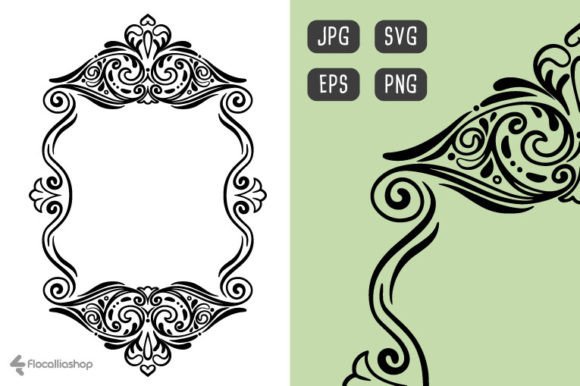
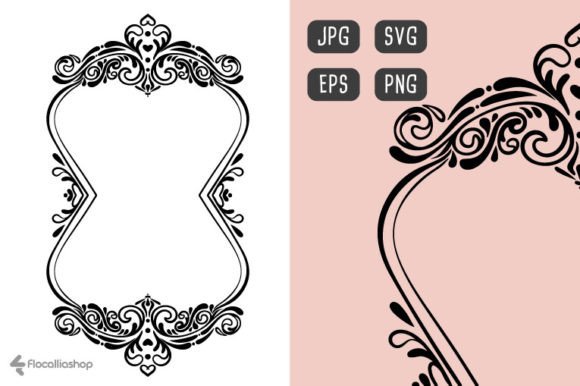
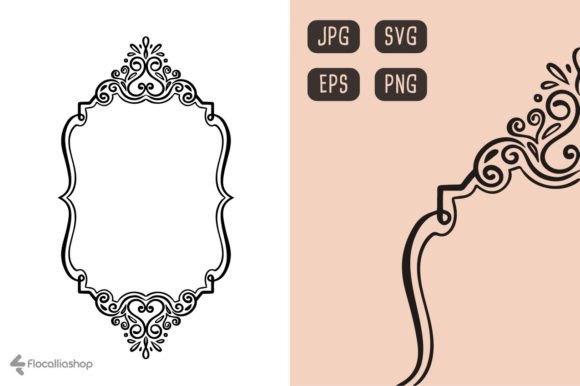
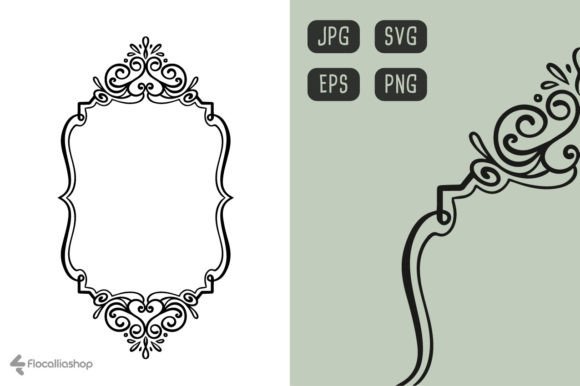
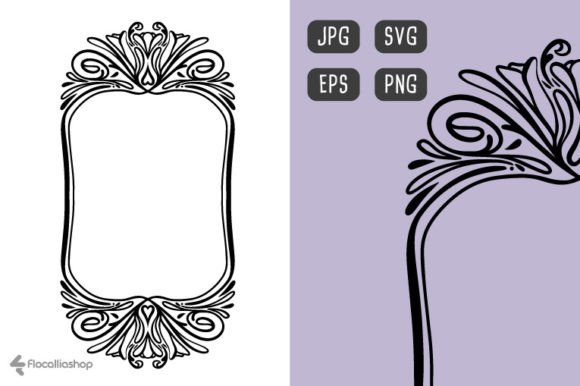
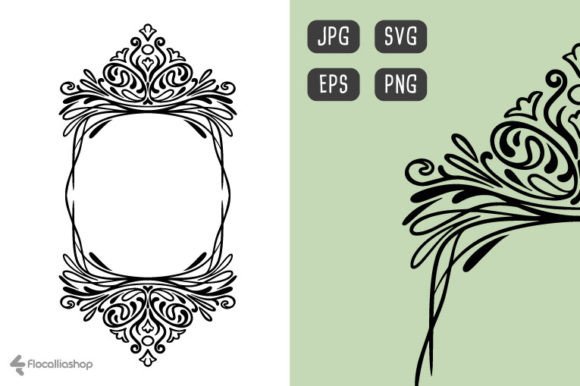
The first thing that stands out about Wedding Frame, 101 is its classic aesthetic. The frame feels elegant without being over-the-top—perfect for those who want to add a touch of sophistication without overwhelming their piece. It includes SVG, PNG, JPG, and EPS files, which gives flexibility for both digital and physical applications. As someone who often works across platforms like Cricut Explore and traditional embroidery machines, this variety is a plus.
Visually, the layout is balanced and symmetrical, making it ideal for centerpieces on invitations, tote bags, or even embroidered patches. The level of detail is moderate—just enough to create a sense of refinement but not so intricate that it becomes impractical for most projects. This makes it adaptable for a wide range of uses, from personalized gifts to small shop merchandise.
Real-Life Use Cases That Work Well
One scenario where I’d confidently use Wedding Frame, 101 is for sweatshirt embroidery. Imagine a client wants a custom wedding gift—a soft, oversized hoodie with the couple’s names inside the frame. The design’s structure allows for clear text placement while maintaining visual interest around it. It also looks great on tote bag designs, especially when paired with a simple script font and minimal fill stitch details.
For handmade products like pillow covers or aprons, this frame adds a decorative yet professional touch. Its clean lines make it suitable for nursery decor too, particularly if you’re using pastel thread colors and pairing it with baby-themed elements. On applique designs, the frame could serve as a border, guiding the eye and giving the composition a finished look.
I’ve also considered using it for holiday gifts or birthday party invitations. While it's clearly intended for weddings, the timeless feel easily adapts to other celebratory events. For Etsy sellers or craft business owners, this is a versatile design asset that can be reused across different product types and themes.
Commercial Applications & Branding
If you're running a boutique or managing a small shop product line, this frame could help maintain brand consistency across your offerings. It’s a subtle enough element that it won’t clash with logos or other branding components, yet distinctive enough to be memorable. When used on custom apparel like caps or tank tops, it can become a signature motif that customers begin to associate with your style.
Where to Be Careful with Wedding Frame, 101
While this design is highly versatile, there are a few areas where it may require extra attention. First, the hoop size is something to consider. If your machine has limited space, you may need to scale it down carefully, keeping an eye on how the corners and inner details respond to compression.
Textured fabrics like denim or canvas can cause stitch distortion, especially in areas with tight curves or fine lines. Always test on a scrap before final stitching. Thin or stretchy materials, such as cotton tees or jersey knits, may struggle with dense stitch areas unless you use the right stabilizer. Similarly, dark fabric backgrounds can reduce visibility of lighter thread colors—so contrast is key.
When applying it to curved surfaces like caps or hats, you'll need to adjust for the shape of the garment. Corners may bunch or distort if not properly managed. Also, if you plan to embroider it onto items that get frequent washing, like tea towels or kitchen linens, be mindful of how the stitches hold up over time. Dense stitch areas may pucker or fade faster than satin-stitched borders.
Design Details to Consider
This frame features a mix of running stitch outlines and some fill stitch areas, depending on the version you choose. The balance between these techniques ensures the design doesn't feel too heavy or too sparse. However, the density varies slightly in different parts of the frame, so it’s important to review each section before starting your project.
Thread color choices should complement the base fabric. While the design likely offers multiple options (though exact thread colors aren’t specified), I recommend testing a few variations to see how they pop against different backgrounds. Black and white mockups are also helpful for assessing clarity, especially if you're planning to use it on darker garments or printed materials.
Impact on Visual Appeal and Customer Perception
What really sets Wedding Frame, 101 apart is how it enhances the visual appeal of a project. It doesn’t just frame text or images—it elevates them. Whether it's a personalized gift or part of a commercial embroidery collection, the frame contributes to a more polished and professional presentation.
Customers tend to notice well-placed design elements like this one, and they can significantly boost product value and giftability. A tote bag with a neatly stitched frame feels more special than one with plain lettering. Likewise, a handmade product for a wedding guest book or thank-you card can gain instant recognition and trust through thoughtful design integration.
Design Notes for Embroidery Projects
- Test on scrap fabric before committing to a final piece. Especially for high-value or custom work.
- Check the stitch density in corners and curves to avoid puckering or gaps.
- Confirm the hoop size needed for your machine. If unsure, contact the seller for specifics.
- Inspect small details—if there are tiny floral accents or flourishes, ensure they won’t vanish after scaling.
- Use proper stabilizer to keep the fabric taut and prevent distortion during stitching.
- Review thread color compatibility with your chosen fabric background.
- Consider using it in printable mockups for digital product previews, especially if selling digital embroidery files.
- Always verify licensing terms before using the design in commercial embroidery or reselling finished items.
Final Thoughts on Project Fit
Wedding Frame, 101 is a solid addition to any designer’s library. It fits naturally into embroidery projects that require a touch of elegance without excess complexity. Its adaptability across formats means you can use it for both Illustrations in digital assets and Graphics in tangible products.
That said, don’t take it for granted. Treat it like any other machine embroidery design—with care, creativity, and critical thinking. The right application can turn an average item into something unforgettable. But the wrong setup can lead to misaligned stitches or lost visual impact. Your goal is to let the design shine, not fight it.
Whether you're an apparel decorator, creative entrepreneur, or hobbyist looking to expand your portfolio, this frame offers a reliable way to enhance your work. Just remember to tailor it to your materials, your machine, and your audience.