Wedding Frame, 108: A Designer’s Practical Take
As an embroidery designer with years of experience in both personal and commercial projects, I always take a step back to evaluate how a new design like Wedding Frame, 108 will perform beyond the digital preview. This isn’t just about whether it looks nice—it's about how it translates into real-world stitch results, what kind of product it complements best, and where it might fall short if not handled properly.
First Impressions and Design Mood
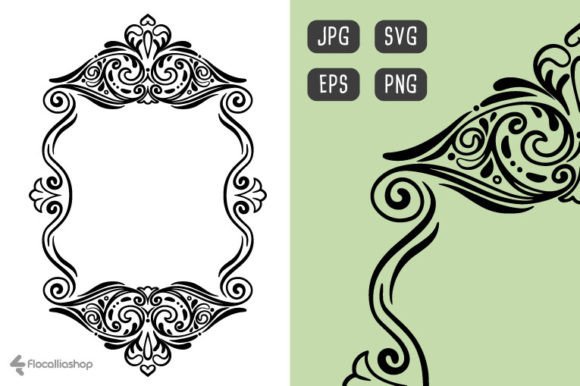
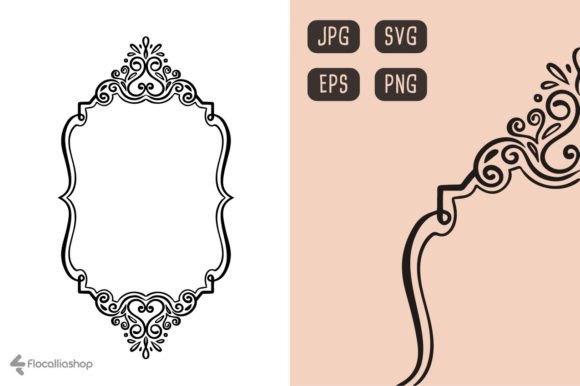
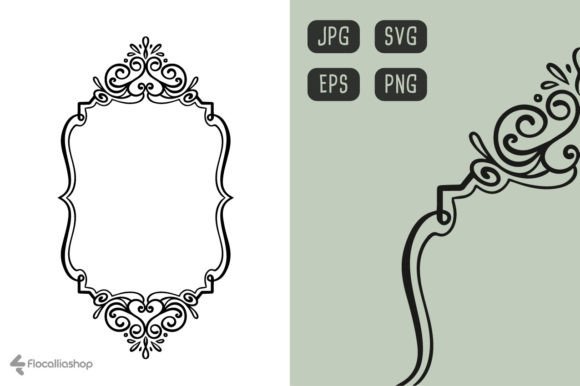
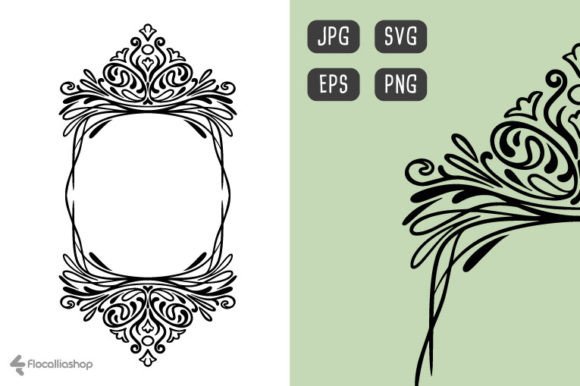
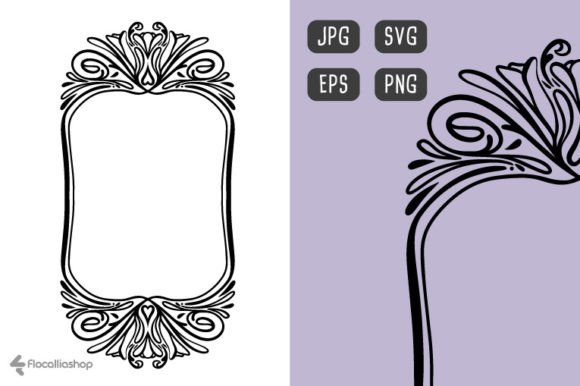
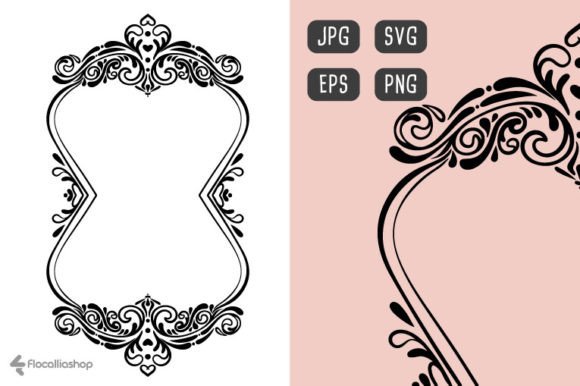
The moment I opened up Wedding Frame, 108, I could sense its elegant intent. The frame is detailed yet balanced—perfect for those who want a touch of sophistication without overwhelming their project. It has a classic feel with ornate edges that suggest celebration and love, making it ideal for wedding-related items or upscale party décor. The layout is symmetrical, which adds a sense of harmony and makes it easy to align text or other elements within the frame.
Its visual personality is refined but not too formal. That versatility is key when you're considering how it can be used across different products. Whether you're working on a custom sweatshirt for a bridal shower or a personalized gift, this frame sets the tone for something special without being over the top.
Real-World Applications and Project Suitability
Wedding Frame, 108 works well in a range of embroidery projects. Let me walk through a few practical use cases:
- Tote Bag Embroidery: When I tested it on a cotton canvas tote, the frame held up nicely. Its structure provided enough visual weight without crowding the space. Just remember to adjust stitch density slightly for heavier fabrics to avoid puckering.
- Sweatshirt Decoration: On a soft fleece material, the frame maintained clarity. However, I noticed that dense areas required extra stabilizer to keep the stitches even and prevent distortion.
- Baby Item Personalization: For a baby blanket or onesie, the frame is charming but needs careful placement. The intricate details might not show up as well on stretchy materials unless you use a stretch-specific stabilizer.
- Embroidered Patch Projects: The frame lends itself beautifully to embroidered patches. The clean lines and consistent pattern allow for crisp, professional-looking results that stand out on denim or felt.
- Room Decor and Invitations: Since the set includes SVG, PNG, JPG, and EPS files, it’s perfect for printable mockups or room decorations. The layered detail works especially well in wall art or table runners where depth and texture matter.
I also see great potential in using it for holiday gifts or personalized products outside of weddings, such as anniversary cards or birthday banners. The design’s adaptability is one of its strengths, but only if you know how to apply it correctly.
Where to Use Wedding Frame, 108 Carefully
While Wedding Frame, 108 is undeniably attractive, there are some limitations to consider before jumping into production:
- Small Hoop Sizes: The frame is quite large and may require a bigger hoop than your usual setup. If you’re planning to shrink it, make sure the details don’t get lost in the scaling process.
- Textured or Stretchy Fabrics: Dense stitch areas can create unwanted bumps or distortions on stretchy materials like spandex blends. Always test first!
- Dark Fabric Backgrounds: The default thread colors may not pop against darker shades. Consider swapping to white or metallic threads for better visibility.
- Products Requiring Frequent Washing: While the design is sturdy, frequent laundering can cause color fading or fabric wear in high-density stitching zones. Recommend using quality polyester thread for durability.
- Curved Surfaces: If you're embroidering onto a cap or curved surface, the corners of the frame may not lay flat. You’ll need to manually adjust or break the design into sections.
Designer Notes for Best Results
If you're considering using Wedding Frame, 108 in your next handmade product, here are a few tips from my own workflow:
- Test on Scrap Fabric First: Especially if you're planning to scale the design or change thread colors. You’d be surprised how differently it looks after stitching.
- Review Stitch Density: The ornate edges have many fill and satin stitched areas. If you’re using a delicate fabric, reduce the density slightly to avoid pulling or stretching.
- Check Hoop Size Requirements: Although not specified in the product description, I recommend confirming the minimum and maximum hoop sizes needed for your machine. Larger designs often require more stability.
- Inspect Small Details: Zoom in on the corners and inner embellishments. If they look tight in the digital file, they might become problematic during embroidery.
- Use Proper Stabilizer: Depending on the fabric type, choose between cutaway, tearaway, or wash-away stabilizers. Cotton and linen work well with tearaway, while synthetics may need cutaway for support.
- Consider Black and White Mockups: Before finalizing the color scheme, test how the design looks in grayscale. This helps ensure contrast and legibility regardless of thread choice.
- Confirm Licensing Terms: If you plan to sell finished items or digital embroidery files, double-check the licensing agreement. Not all free graphics are suitable for commercial use.
Impact on Product Value and Branding
When done right, Wedding Frame, 108 elevates the perceived value of any product it adorns. As an Etsy seller or small shop owner, this kind of design can make your handmade items stand out in a crowded market. It brings a level of professionalism that customers associate with quality and attention to detail.
However, if not applied thoughtfully, the same design can appear cluttered or unbalanced. The trick is knowing where to place it—on a bold area of the garment, around a name or date, or as a decorative border on a pillow cover or apron.
In terms of brand consistency, the frame can be a reliable part of your design toolkit, especially if you’re creating themed collections. But since it doesn't come with specific stitch count or machine compatibility info, it’s crucial to test across different machines and settings to ensure uniformity in your finished products.
Customer Engagement and Giftability
One of the most important things to consider as a creative entrepreneur is how your design affects customer engagement. Wedding Frame, 108 feels handcrafted and thoughtful, which resonates with buyers looking for personalized gifts or boutique-style merchandise.
On sweatshirts or tote bags, the frame adds a sense of occasion—perfect for a client who wants to commemorate a wedding, anniversary, or milestone. It also makes your product more recognizable. Once customers see this design style, they'll likely return for similar aesthetics.
That said, if you're targeting a minimalist audience or selling to someone who prefers understated elegance, this frame may be too much. Be selective in how and where you present it.
Final Thoughts for Crafters and Business Owners
After evaluating Wedding Frame, 108 in several real-life scenarios, I’m confident it’s a solid addition to your design assets, especially if you focus on event-based products or custom apparel. It’s adaptable, visually appealing, and fits naturally into a variety of embroidery file workflows.
But remember, no design is one-size-fits-all. It requires thoughtful application and testing to ensure it meets the standards you expect—and that your customers appreciate. Whether you're an apparel decorator, digital product seller, or running a small craft business, take the time to understand how this frame interacts with your materials and tools before committing to full production.
With the right preparation and adjustments, Wedding Frame, 108 can enhance your handmade products, strengthen your brand identity, and increase buyer satisfaction. Just like any good machine embroidery design, it’s not about the design alone—it's about how you bring it to life on the fabric.