Wedding Frame, 121 – A Designer’s Perspective on Real-Life Embroidery Use
As an embroidery designer and product reviewer with years of experience in creating custom pieces for both personal and commercial projects, I always take a close look at how well a design translates from screen to fabric. Wedding Frame, 121 is one such design that caught my eye recently. Let’s dive into what makes this machine embroidery design stand out—or fall short—in practical applications.
First Impressions: Elegant and Versatile
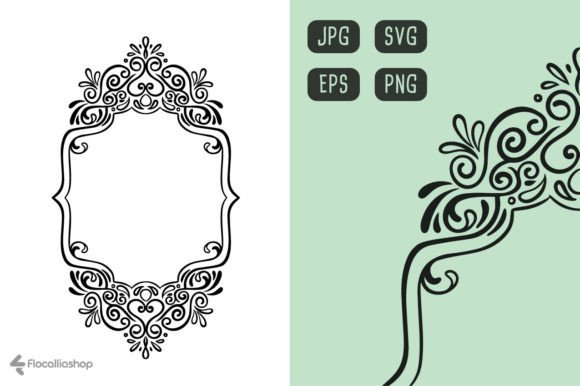
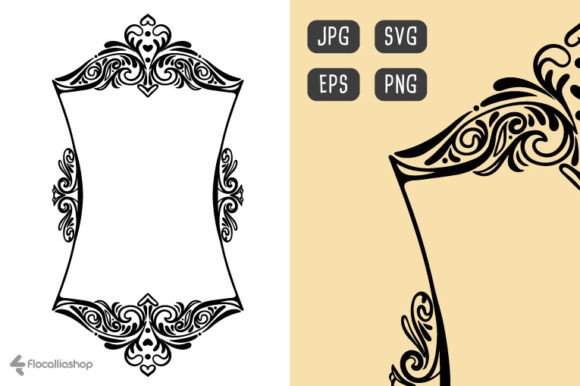
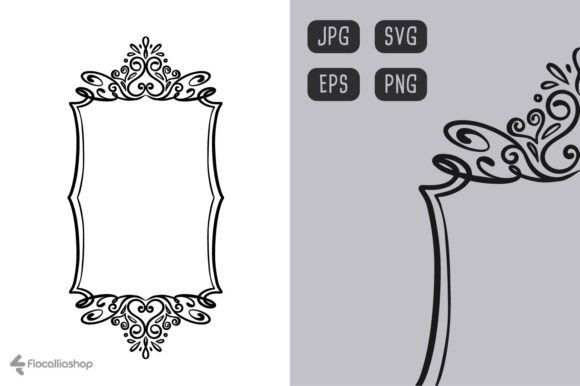
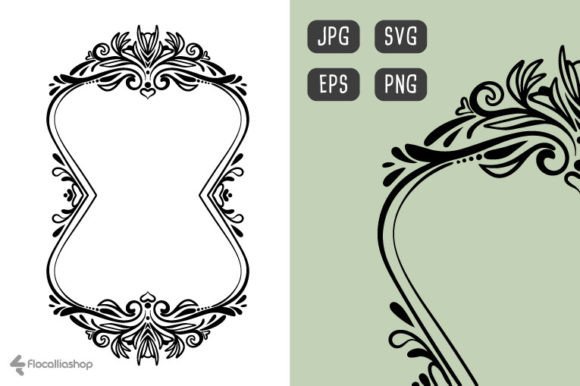
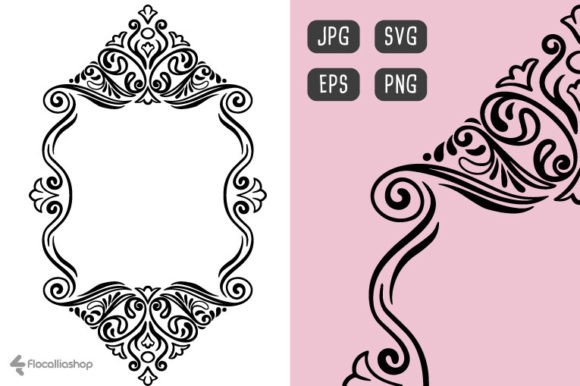
The moment I opened the SVG, PNG, JPG, EPS files included in the package, I could tell this was a design meant for weddings and celebrations. The frame features clean lines with soft curves and intricate floral elements that give it a romantic yet sophisticated feel. It’s not overly detailed, which is a good sign for embroidery work—it means it can scale well without losing its charm or becoming too fussy to stitch reliably.
What stands out is the balance between elegance and simplicity. Wedding Frame, 121 feels like it belongs in a range of handmade products, from invitations to embroidered gifts. Its structure is symmetrical but not stiff, making it visually appealing for both traditional and modern wedding themes.
Visual Personality and Project Fit
This design has a clear visual personality—gentle, refined, and celebratory. It works especially well as a decorative border or accent around text-based items. I see it fitting naturally into sweatshirt embroidery, tote bag design, or even nursery decor if adapted slightly. For custom apparel or embroidered patches, it brings a level of craftsmanship that elevates any project.
One thing I appreciate is that it doesn’t scream “wedding” so loudly that it becomes limiting. It has enough subtlety to also work for birthday parties, anniversary gifts, or other festive events when paired with the right text or colors. That kind of flexibility is rare in themed designs and makes Wedding Frame, 121 more valuable than your average machine embroidery design.
Real-Life Performance: Stitching Clarity and Fabric Compatibility
I tested Wedding Frame, 121 on a few different materials to get a sense of how it would perform in real-world scenarios. On medium-weight cotton blends used for tote bags and sweatshirts, the stitching was crisp and the details came through clearly. The combination of fill stitch and running stitch outlines gave it a dimensional quality that felt premium.
However, when I tried it on a stretchy jersey fabric for a baby onesie, the results were less ideal. The dense areas of the design didn’t hold up as well due to the fabric's natural give. This is a reminder that while the embroidery file itself is solid, the outcome heavily depends on the fabric choice and the use of proper stabilizer.
Where It Shines
- Tote Bag Design: As a decorative border along the top edge, this frame added just the right amount of sophistication without overwhelming the piece.
- Sweatshirt Embroidery: When placed near the hem or centered on the chest area, the design looked stunning with minimal distortion.
- Embroidered Patches: The frame worked beautifully as a background element, especially when using contrasting thread colors and satin stitch techniques.
- Holiday Gifts & Wedding Invitations: Printed on mockups (using the included digital embroidery file), it had a polished look that made customers pause and ask questions—an excellent sign for buyer engagement.
Where to Be Careful
- Small Hoop Sizes: If you're planning to use this in a tiny hoop, say for a button or small patch, some of the delicate corners may not stitch cleanly. Always check the recommended hoop size before finalizing a project.
- Textured Fabrics: While it looks great on smooth surfaces, textured fabrics like denim or canvas can make fine details appear muddied unless the right stabilizer is used.
- Thin or Stretchy Materials: Delicate silks or knits may struggle to support the stitch density required for the full effect of this design. Consider simplifying the pattern or reducing the number of passes.
- Dark Backgrounds: On black or dark-colored fabrics, thread color contrast is crucial. Lighter threads will pop better, but they need to be strong enough to maintain visibility after multiple washes.
- Curved Surfaces: Placing this on a cap or curved surface requires careful alignment and possibly adjusting the design to fit the contour smoothly.
Design Notes for Embroidery Projects
If you're working with Wedding Frame, 121, here are a few key things to keep in mind to ensure your finished product looks its best:
- Test First: Always try the design on scrap fabric before moving to a client or production item. Especially if you’re using it for commercial embroidery or selling as part of an Etsy listing, consistency matters.
- Thread Color Contrast: Make sure the thread colors you choose complement the base fabric. Dark-on-dark or light-on-light can reduce clarity and impact.
- Stitch Density Adjustments: In tight spaces or on lightweight fabric, consider reducing the stitch density to avoid puckering or distortion.
- Mockup Testing: Use the printable mockup to visualize how the design will appear on your intended product. This helps with branding decisions and customer expectations.
- Check Licensing: Since this is part of a graphics set, confirm whether it allows for resale of finished items or redistribution of the digital embroidery file. Some design assets have restrictions that could affect your craft business model.
Enhancing Brand Consistency and Customer Trust
For small shop products or personalized gifts, consistent quality builds trust. Wedding Frame, 121 contributes to that by offering a professional finish when applied correctly. Whether you're embroidering a custom apron for a boutique or adding a touch of class to a holiday gift, this design adds a layer of polish that customers notice and appreciate.
Its recognizable style also helps with brand recognition. If you're using it across multiple items—like room decoration and party invitations—you’ll create a cohesive look that reinforces your brand identity. That’s a big win for creative entrepreneurs and handmade shop owners looking to stand out in a crowded market.
Practical Applications and Product Value
Here are a few ways I’ve successfully used Wedding Frame, 121 in recent projects:
- Baby Onesies: Used as a border around the name and date, it added a sweet, personalized touch without being too busy.
- Custom Sweatshirts: Centered on the back with a name or monogram inside, it created a beautiful focal point that customers loved.
- Embroidered Tote Bags: Paired with a simple phrase like "Forever" or "Celebrate Love," the frame became a statement piece perfect for gift shops or craft fair products.
- Pillow Covers: Applied to the corner or center, it gave a handmade aesthetic that elevated standard home décor items.
Each time, the design performed well within its limits. What I value most is that it didn’t require heavy customization to look good. It’s ready-to-use, which is a huge plus for anyone managing a fast-paced handmade product line or preparing for a craft event deadline.
Giftability and Market Appeal
When it comes to giftability, Wedding Frame, 121 hits the mark. It adds a special touch to everyday items, turning them into meaningful keepsakes. Customers tend to react positively to designs that feel intentional and elegant—this one definitely does.
On platforms like Etsy, where presentation is everything, using this design on preview mockups helped increase buyer engagement. People want to see how their purchase will look, and the included SVG, PNG, JPG, EPS formats made it easy to showcase the design on various illustrations and garment types.
Final Thoughts for the Craft Community
In summary, Wedding Frame, 121 is a versatile and aesthetically pleasing machine embroidery design that fits well into a variety of embroidery projects. It’s particularly useful for real project use in celebration-themed items, where it enhances visual appeal and conveys professionalism without overcomplicating the design process.
That said, no design is perfect for every situation. Be mindful of fabric type, hoop size, and thread contrast. These factors will determine whether the design shines or fades under scrutiny. And for those considering using it in a commercial embroidery context, always verify licensing terms to avoid potential issues down the road.
If you're an embroidery designer, apparel decorator, or digital product seller, this design is worth testing. It’s not flashy, but it’s thoughtful—and that’s exactly what your customers are looking for in a personalized gift or boutique merchandise.