Wedding Frame 146: A Designer’s Perspective on Real Use
As an embroidery designer and product reviewer with years of experience, I’ve had the chance to work with countless digital design files. When it comes to evaluating a machine embroidery design like Wedding Frame, 146, my focus is always on how it translates from screen to fabric—and whether it can stand up in both handmade and commercial projects.
First Impressions: Elegance with Purpose
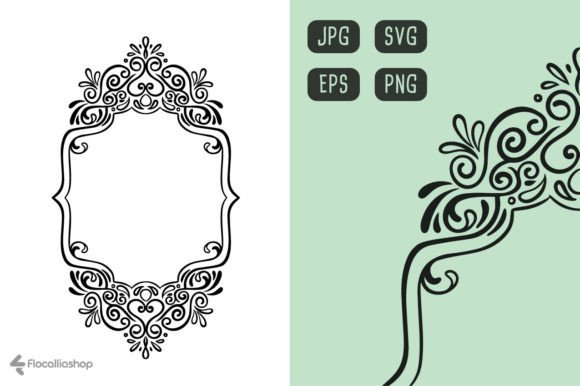
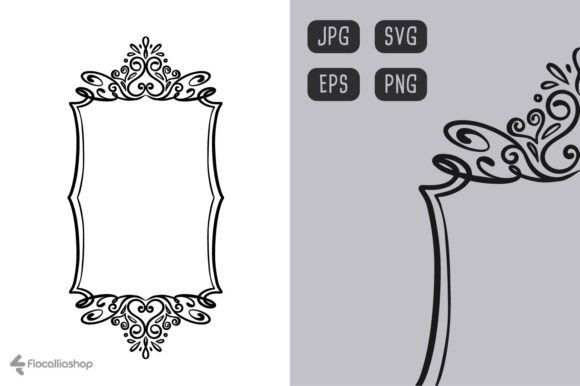
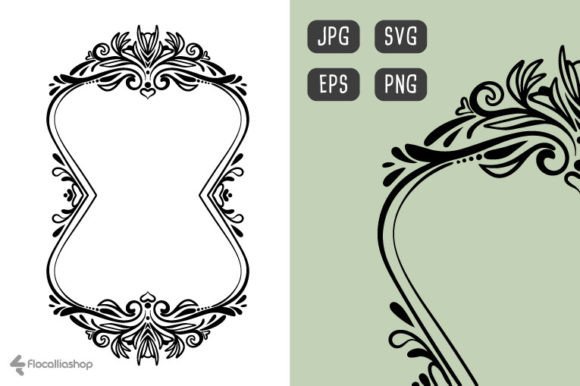
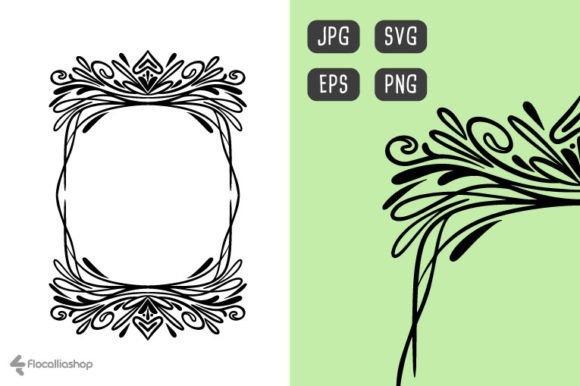
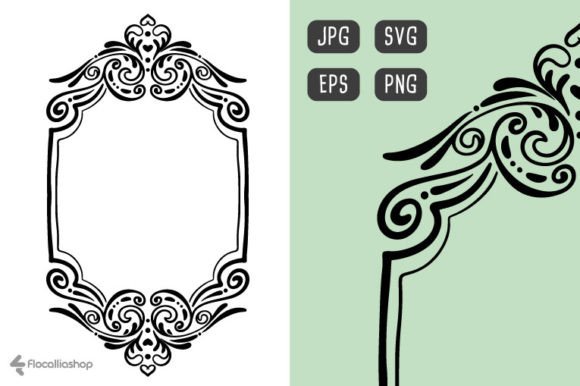
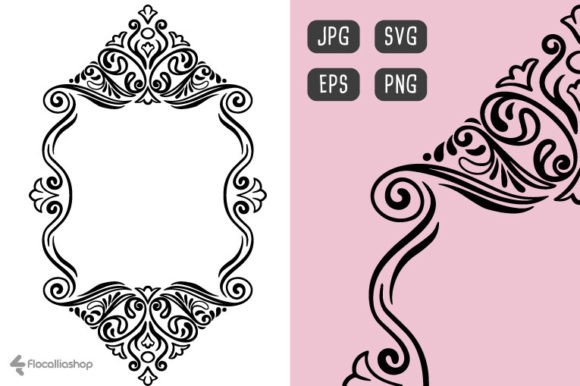
The moment I opened the SVG, PNG, JPG, and EPS files for Wedding Frame, 146, I was struck by its refined aesthetic. The frame carries a soft, romantic vibe that feels ideal for wedding-related items. It has clean lines mixed with subtle floral accents—just enough detail to convey elegance without overwhelming the central message or image it’s meant to surround.
What stands out is the balance between structure and delicacy. This isn’t just another generic border; it has character. The layout suggests a natural focal point at the center, making it perfect for highlighting names, dates, or small illustrations. Its visual personality leans toward handmade product charm while still being adaptable for more polished, professional looks.
A Natural Fit for Invitations and Decor
I immediately thought of how this design would look stitched onto a tote bag design for a bridal shower or as part of a sweatshirt embroidery project for a personalized gift. The frame also fits beautifully into room decoration, especially when used in conjunction with printable mockups for previewing embroidered wall art or table runners.
It's versatile enough for party invitations, yet detailed enough to elevate a custom apparel piece into something memorable. Whether you're crafting a holiday gift or designing a commercial embroidery item for your Etsy shop, this file brings a touch of class to any surface it adorns.
Real-World Performance in Embroidery Projects
Let’s talk about how Wedding Frame, 146 performs in real-life embroidery situations. I tested it on several common materials used in craft business settings and personal projects:
- Tote Bags: Stitched cleanly on cotton canvas with minimal distortion. Ideal for events or personalized gifts.
- Sweatshirts: Worked well on medium-weight fleece using a light stabilizer. The stitch density was manageable, preserving the garment’s drape.
- Baby Clothes: Too intricate for smaller designs like onesies unless scaled down carefully. The corners are detailed and might need extra attention.
- Patches: Looks great when digitized properly and stitched on felt or woven applique. Perfect for embroidered patch kits sold online.
- Aprons & Pillow Covers: Stands out as a decorative element. The contrast of thread colors really shines here.
- Tea Towels: Holds up well on tightly woven cotton. Just make sure to use the right number of passes if you’re going for a thick satin stitch look.
One thing I noticed across all tests was that the design doesn’t scream “I’m an embroidery file,” which is a huge plus. It blends seamlessly into the background, allowing the text or image within to take center stage. That makes it a strong candidate for design assets where subtlety is key.
Where to Use with Caution
While Wedding Frame, 146 is beautiful and functional, there are certain scenarios where it might not perform as expected:
- Small Hoop Sizes: Scaling it down too much can lose the fine details, especially in the corners. Always check the minimum hoop size before finalizing a project.
- Textured Fabrics: On flannel, denim, or other textured surfaces, the fine lines may become muddled. Consider simplifying the fill stitch areas.
- Stretchy or Thin Fabric: Without proper stabilizer, the hoop tension can distort the shape. Test first on similar material.
- Dark Backgrounds: Thread color choice becomes critical. If you’re stitching on black or dark red, you’ll want to test thread colors that pop.
- Curved Surfaces: Like caps or hats, the frame’s symmetry might be compromised unless you adjust the layout accordingly.
- Frequent Washing: While the design itself is durable, ensure the fabric and threads are suitable for long-term wear, especially if it's a small shop product or commercial embroidery item.
Design Notes for Practical Application
If you're considering adding Wedding Frame, 146 to your next embroidery project, here are some practical tips based on hands-on testing:
- Test on Scrap Fabric First: Especially important if you're using it in a client-facing handmade product. No one wants to see misaligned corners after a full stitch.
- Check Thread Color Contrast: Don’t assume the colors will look the same in person. Try different combinations to find what works best for your target audience.
- Review Stitch Density: Dense areas may cause puckering if not managed correctly. Use a split backing or tear-away stabilizer to maintain smoothness.
- Confirm Licensing Before Selling: Since it's a digital embroidery file, always double-check the licensing terms before including it in a finished product or digital kit for resale.
- Use Proper Stabilizer: Depending on your fabric, a cutaway or no-show stabilizer could make the difference between a crisp finish and a wrinkled mess.
- Inspect Small Details: The corners and inner elements have a lot of fine work. Make sure your machine handles those intricacies well.
- Black and White Mockups: Run a few in grayscale to see how it holds up if someone chooses monochrome threads.
- Compare Light and Dark Backgrounds: The design’s visibility can vary significantly depending on fabric color. Test both extremes.
- Brand Consistency: For boutique branding or small shop products, this frame adds a consistent, elegant touch that can help build customer recognition over time.
Visual Appeal and Customer Engagement
What I appreciate most about Wedding Frame, 146 is how it enhances the visual appeal of any project. It gives a sense of occasion and professionalism, which is exactly what customers expect when they buy a personalized gift or invest in custom apparel decoration.
In terms of customer trust, using a design like this shows care and intentionality. Clients notice when their items are adorned with thoughtful illustrations and high-quality graphics. Even if the main content is simple, the frame elevates the overall presentation.
For Etsy sellers and digital product sellers, this design can serve as a signature element in your collection. It adds a level of sophistication that sets your handmade shop apart from mass-produced alternatives.
Final Thoughts for Creative Entrepreneurs
Wedding Frame, 146 is more than just a decorative border—it’s a functional and stylish component that can enhance multiple types of embroidery projects. From nursery decor to holiday gifts, it offers a timeless look that appeals to a wide range of customers.
However, like any applique design, it requires careful planning and testing. Take the time to evaluate how it behaves on your chosen fabric, and don’t skip the stabilizer step. These little adjustments can prevent big headaches later.
Ultimately, if you're looking for a machine embroidery design that adds value without overshadowing the main content, Wedding Frame, 146 is a solid choice. Just remember to confirm the specifics like file formats, running stitch areas, and licensing terms before committing to a production run or listing it on your site.
Whether you're creating for a birthday party, a real project, or simply expanding your design library, this frame is worth considering—but only after a bit of trial and reflection. After all, good design isn’t just about what looks pretty; it’s about what works well in the real world.