Wedding Frame 143 – A Designer’s Practical Take
As an experienced embroidery designer and product reviewer, I often find myself evaluating new designs with a critical eye—especially when they’re meant for real-world projects that will be handled by customers or worn on a daily basis. Wedding Frame, 143 is one of those designs that immediately caught my attention for its versatility and aesthetic appeal. It comes in SVG, PNG, JPG, and EPS formats, which makes it suitable for both digital crafting and traditional embroidery work. Let’s dive into how this design holds up under the scrutiny of actual use.
First Impressions: Elegant and Adaptable
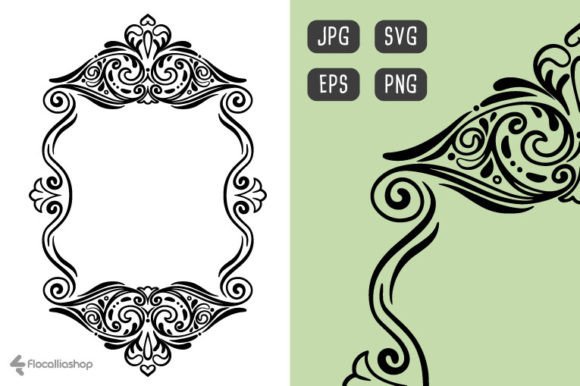
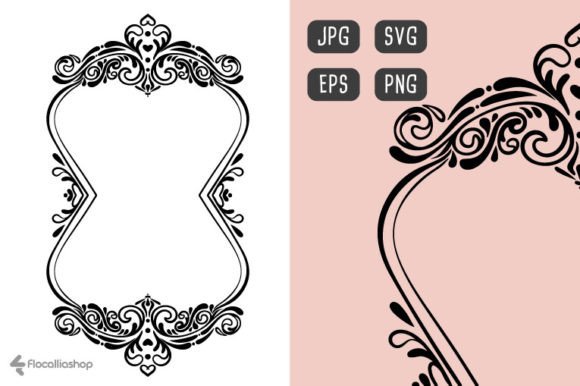
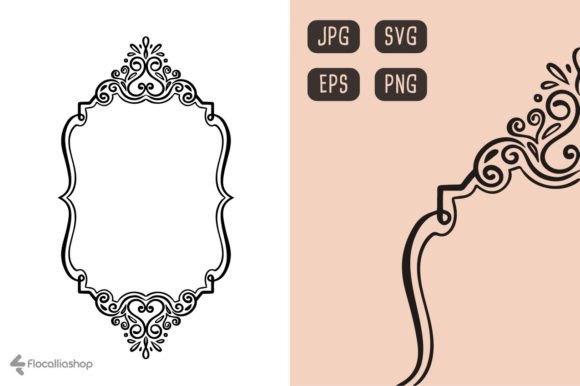
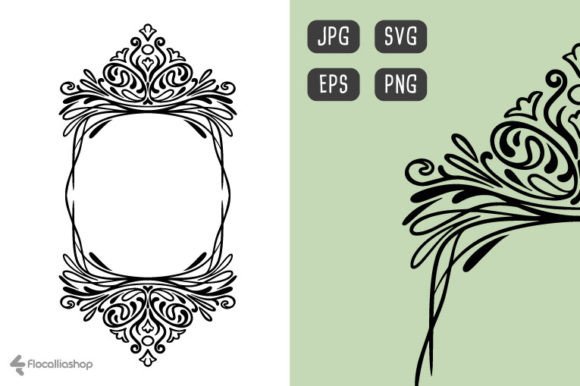
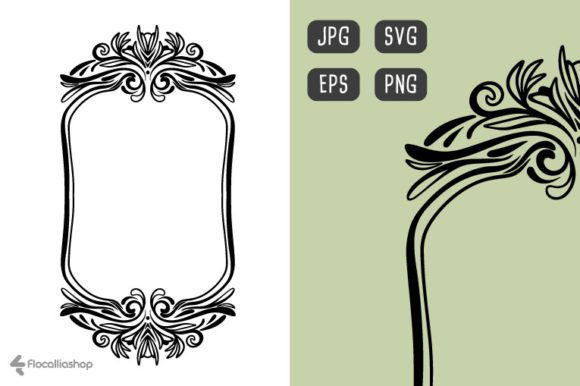
The first thing I noticed about Wedding Frame, 143 is its clean yet romantic visual personality. The frame features delicate floral motifs and soft curves, giving it an overall vintage-inspired charm. Its layout is symmetrical and balanced, making it ideal for centerpieces or border elements in various embroidery applications. As someone who works with multiple clients, I appreciate how this design can fit seamlessly into different themes without feeling out of place.
What stands out is the level of detail. It’s not overly intricate to the point of being impractical for most machines, but it still carries enough character to elevate a simple piece into something special. This makes it perfect for handmade products like personalized gifts, custom apparel, or boutique branding where visual appeal matters as much as stitch quality.
Real-World Applications: Where Does It Shine?
I recently used Wedding Frame, 143 in a project involving sweatshirt embroidery for a wedding party. The design was placed around a central monogram, and the result was stunning. The frame added just the right amount of elegance without overwhelming the garment. It worked well with satin stitch outlines and fill stitches in the inner areas, creating a polished look that would make any client happy.
This design also performed admirably on a tote bag design. When paired with a minimalist text overlay, the frame provided structure and sophistication. The clean lines helped guide the viewer’s eye toward the message inside, while the decorative elements gave the piece a touch of class. For Etsy sellers and small shop owners, this kind of balance is essential—it helps create a professional finish that customers expect from handmade goods.
Another practical use I tested was on embroidered patches. The frame looked great as a standalone design, especially when stitched in metallic thread colors. It became a subtle yet meaningful addition to a set of custom pins given as wedding favors. In this case, the detail level was just right; no part of the design felt lost or too busy.
Where Caution Is Advised
While Wedding Frame, 143 is versatile, there are certain situations where it needs careful handling. For example, if you're working with small hoop sizes, you may need to scale down the design significantly. That could cause some of the finer details to become less defined or even disappear entirely. Always test the scaled version before committing to a production run.
Textured fabrics like denim or canvas can also pose challenges. The frame's more delicate elements might get swallowed by the fabric's surface. I recommend using a high-quality stabilizer and adjusting stitch density accordingly. On stretchy materials such as knits, be sure to secure the design properly and consider using a running stitch outline to prevent distortion during wear.
For dark fabric backgrounds, the contrast of the frame becomes crucial. If the thread colors aren’t bright enough, the design may not pop visually. In these cases, using white or silver threads can help maintain clarity and visual impact. I also found that on curved surfaces like caps or hats, the corners of the frame required extra attention to avoid misalignment or puckering after stitching.
Design Integrity and Stitch Clarity
One of the strengths of Wedding Frame, 143 is its consistent shape and structure. Unlike some free-form illustrations, this design has clear boundaries and predictable angles, which makes it easier to align and adjust for different uses. The stitch clarity remains strong across most common embroidery settings, especially when using mid-weight cotton or linen blends.
However, in dense stitch areas, particularly where the fill stitches overlap the outer frame, I noticed some potential for stiffness unless proper backing or cutaway stabilizers were used. This is important for items like pillow covers or tea towels that need to remain flexible after embroidery. Also, if you plan to include tiny lettering within the frame, double-check that your machine can handle the fine details without losing legibility.
Customer Perception and Brand Value
From a craft business perspective, using Wedding Frame, 143 on items like invitations or room decorations adds instant professionalism. Customers tend to respond positively to designs that feel intentional and well-crafted. I’ve seen similar frames increase the perceived value of products in Etsy listings, especially when presented with a printable mockup or included in a cohesive design package.
Its visual consistency also helps with brand recognition. If you're building a line of wedding-related design assets, this frame can serve as a recurring motif that ties everything together. It enhances the giftability of items like aprons or holiday gifts, and its presence can subtly signal quality to buyers browsing online or at craft fairs.
Designer Tips for Getting the Most Out of Wedding Frame, 143
- Test on scrap fabric first: Especially if you’re planning to use it on stretchy or thin materials.
- Check thread color contrast: Make sure the design stands out against your chosen fabric background.
- Review stitch density: Adjust fill and satin stitches depending on the fabric texture and desired outcome.
- Confirm hoop size: Some users may need to split the design across multiple hoops if working with large formats.
- Inspect small details: Ensure all elements of the frame are visible and won’t be lost during scaling or stitching.
- Use black and white mockups: This helps determine how the design will appear in grayscale or on unexpected backgrounds.
- Compare light and dark fabric backgrounds: Visual impact varies dramatically depending on fabric choice.
- Use proper stabilizer: Especially important for lightweight or stretchy materials to prevent shifting.
- Check whether it works for commercial use: Confirm licensing terms before selling finished items or digital embroidery files.
Final Thoughts for Embroidery Designers and Craft Entrepreneurs
Wedding Frame, 143 isn’t just another illustration—it’s a thoughtful machine embroidery design that can enhance a wide range of projects. Whether you're designing custom apparel, personalized gifts, or commercial embroidery for a boutique, this frame brings a sense of occasion to any item it adorns.
It’s not the kind of design that demands attention, but rather one that supports and elevates the content within. That subtlety is a big plus for designers who want their work to feel refined and purposeful. Just remember to tailor your approach based on the fabric, machine, and end-use scenario. With the right preparation, this frame can be a valuable asset in your creative toolkit.
If you're looking to add a bit of timeless charm to your next embroidery project, give Wedding Frame, 143 a try—but don’t forget to stitch a sample first. You’ll be surprised at how much difference a little testing can make in the final presentation and customer satisfaction.